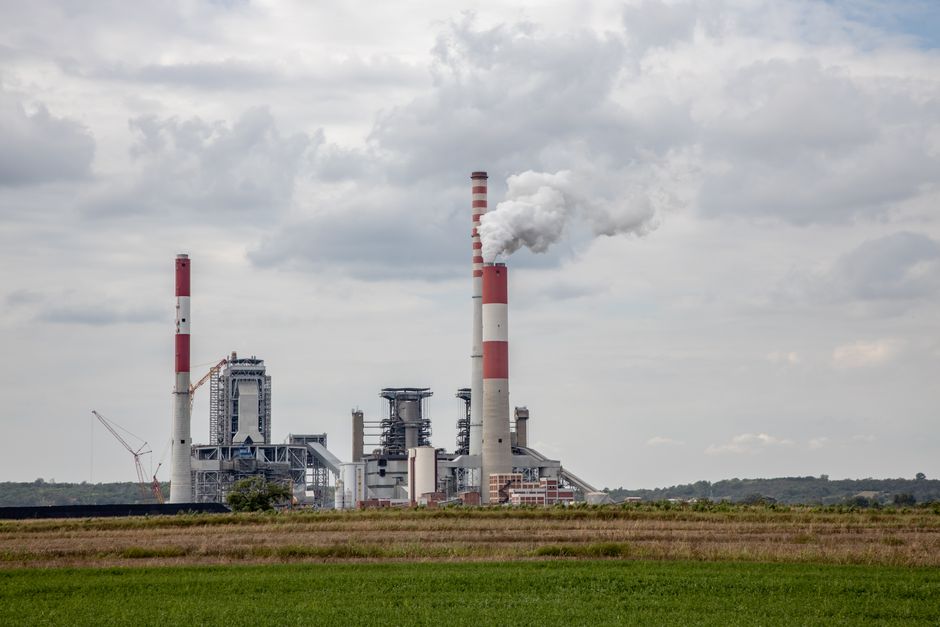
The United States has formally eliminated federal regulations that restricted carbon dioxide emissions from existing coal and natural gas-fired power plants, dealing a significant blow to domestic climate policy. The decision, announced by the Environmental Protection Agency under the Trump administration, removes the first-ever nationwide limits on greenhouse gas pollution from the power sector, which remains one of the largest contributors to US carbon emissions.
The regulatory rollback targets the Clean Power Plan framework and subsequent rules that required power plants to adopt cleaner technologies or reduce their carbon output. Under the new directive, the EPA determined that it no longer has the authority under the Clean Air Act to impose performance standards that effectively force utilities to switch from fossil fuels to lower-carbon energy sources.
Environmental groups and climate scientists have strongly condemned the decision. The move comes at a critical juncture, as multiple scientific assessments show Earth's climate system destabilizing at an accelerating pace. Record-breaking temperatures in recent years have led to more frequent and severe heatwaves, wildfires, hurricanes, and flooding across the globe. Scientists have repeatedly warned that removing regulatory safeguards on power plant emissions will make it significantly harder to meet international climate commitments, including those under the Paris Agreement.
The power sector accounts for roughly 28 percent of total US greenhouse gas emissions. Although many utilities have already been shifting toward natural gas and renewable energy due to market forces, experts caution that without federal mandates, the pace of transition could slow considerably, particularly in states where coal generation remains economically viable.
Legal challenges are expected immediately. Several state attorneys general and environmental organizations have indicated they will file lawsuits contesting the EPA's authority to reverse the emission standards. Supporters of the decision, however, argue that the rollback reduces unnecessary regulatory burden on energy producers and gives states more flexibility to manage their own energy mixes.
For India, the US policy reversal carries indirect implications. As the world's third-largest emitter and one of the most vulnerable countries to climate change impacts, India has consistently advocated for stronger global emissions controls. Washington's retreat from its own regulatory framework weakens its diplomatic leverage in international climate negotiations and raises concerns among developing nations about whether major emitters will honor their carbon reduction pledges.


