The United States saw a noticeable uptick in inflation during August, driven largely by a sharp increase in gasoline costs that intensified financial strain on American households just weeks before the Federal Reserve convenes to decide on interest rates. According to data released by the Bureau of Labor Statistics on September 11, consumer prices climbed 0.4% over the month — a decisive acceleration from the sluggish 0.1% rise recorded in July.
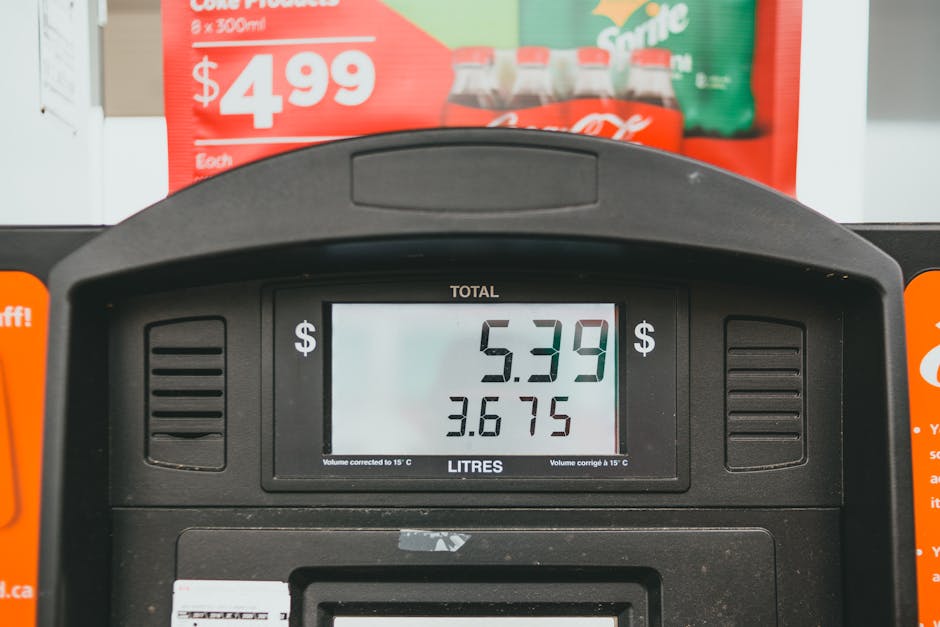
The most significant contributor to the monthly increase was gasoline, which surged approximately 3.9% in August alone. The rally in fuel prices reflected a combination of factors, including geopolitical tensions affecting global oil supply, stronger-than-expected summer driving demand, and OPEC+ production decisions that have kept crude oil markets tight. For American families already navigating elevated costs across groceries, housing, and healthcare, the pump price spike delivered another unwelcome hit to household budgets.
Despite the monthly acceleration, the broader annual inflation rate held steady at 3.4%, matching July's figure. That means prices across the economy as a whole remain roughly a third higher than they were a year ago, even though the pace of increase has cooled significantly from the peak of 9.1% reached in mid-2022. Economists noted that the underlying trend in inflation remains broadly constructive but cautioned that energy price volatility continues to inject uncertainty into the outlook.
The data landed at a critically sensitive moment. The Federal Reserve is widely expected to continue its gradual process of lowering interest rates, but the August inflation print adds a layer of complication. Fed officials have repeatedly emphasized their commitment to bringing inflation back to their 2% target without triggering a sharp rise in unemployment, and this latest report provides mixed signals: core inflation — which strips out food and energy — has been moderating, yet the energy-driven bounce in headline figures complicates the picture.
Wall Street analysts largely absorbed the release without major market turbulence. Bond yields edged slightly higher as investors recalibrated expectations for the timing and magnitude of further rate cuts. The consensus among economists remains that the Fed will proceed cautiously, potentially delivering one or two more quarter-point reductions over the remainder of 2024 while keeping a watchful eye on any resurging price pressures.
For ordinary Americans, the message is sobering. The Federal Reserve's monetary policy tools can gradually cool the broader economy, but they cannot directly control crude oil prices or geopolitical disruptions at the pump. As winter approaches, energy economists warn that seasonal demand increases could add further upward pressure on fuel costs, meaning the inflation fight may not be over.