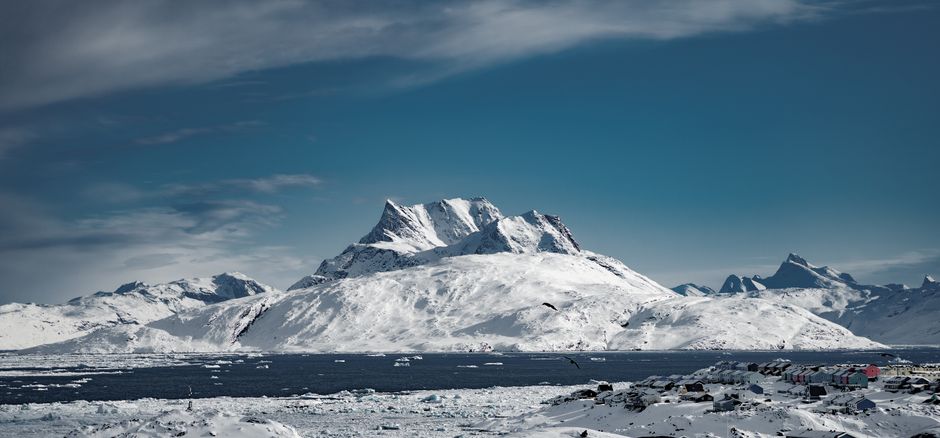
The United States and Denmark have reached a sweeping agreement that grants America permanent security authority over Greenland, the vast autonomous territory nestled between the Arctic Ocean and the North Atlantic. The deal, which also touches on logistical and infrastructure matters tied to defense needs, was confirmed in a statement from officials in both capitals and signals a significant recalibration of U.S. posture in the rapidly warming Arctic region.
Under the arrangement, American forces will maintain a enduring presence on the island, consolidating and expanding operations at Thule Air Base — one of the northernmost military installations in the world — as well as other sites across Greenland. The agreement is understood to give Washington authority over key security decisions without requiring case-by-case approval from Copenhagen, though Denmark retains sovereignty over the territory.
The deal comes amid heightened great-power competition in the High North. Russia has been increasing its military footprint in the Arctic, while China has pursued investment and scientific partnerships across the region, raising alarms among NATO members. Greenland’s location — straddling the gap between North America and Europe known as the Greenland-Scotland Ridge — has long been recognized as strategically vital, but geopolitical pressures have accelerated urgency around bolstering defenses.
Greenland itself holds enormous natural resource potential, including rare-earth minerals increasingly sought to reduce dependence on Chinese supply chains. The island’s indigenous Inuit population and its self-governing local parliament have not been fully briefed in advance, according to sources familiar with the negotiations, and questions are expected about how much voice Nuuk will have in matters affecting its homeland.
Denmark, which handles Greenland’s defense and foreign policy, described the agreement as strengthening NATO’s northern flank and enhancing collective deterrence. Analysts say the deal could reshape transatlantic security architecture and draw fresh attention to Arctic governance as melting ice opens new shipping routes and resource extraction opportunities.