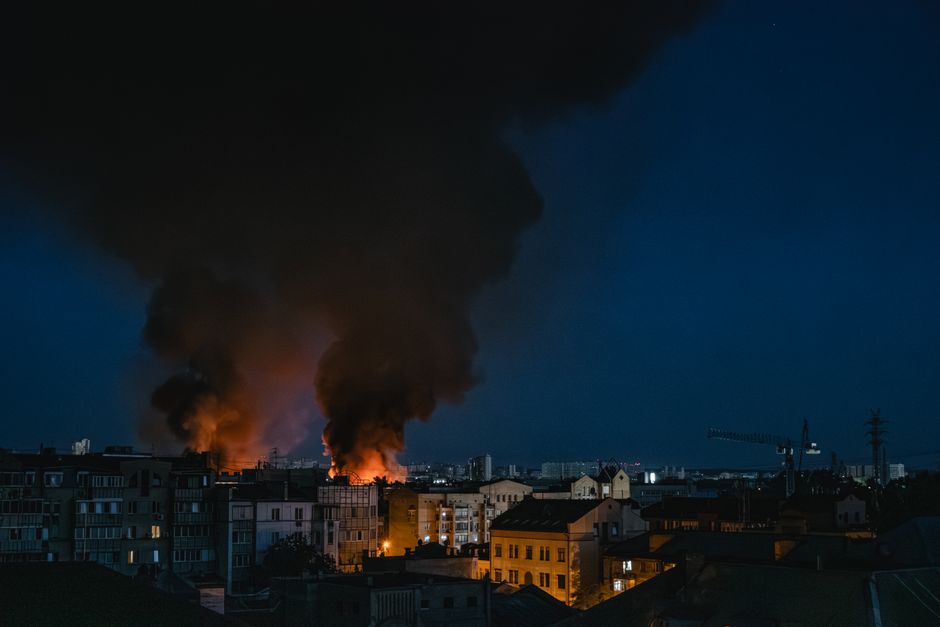
Kyiv — In his nightly address to the nation on Tuesday, Ukrainian President Volodymyr Zelensky disclosed that Washington had put forward a significant diplomatic initiative aimed at reducing the intensity of the ongoing war with Russia. The proposal centers on a mutual halt to strikes against each other's critical infrastructure, a move that could dramatically alter the trajectory of one of Europe's deadliest conflicts in decades.
Zelensky described the American suggestion as a serious and well-considered offer, emphasizing that Kyiv is ready to engage in de-escalatory steps if they lead to tangible reductions in violence against civilian targets. The president did not provide exhaustive details of the proposal but confirmed that Ukraine's leadership is reviewing it alongside its Western allies.
The conflict has seen repeated cycles of devastating missile and drone attacks on Ukraine's energy grid, particularly during harsh winters, leaving millions without power and heating. Russia has similarly targeted Ukrainian infrastructure in response to Western-supplied weapons strikes deep inside Russian territory. Both sides have accused each other of waging war against civilian populations through these strikes.
Diplomatic sources familiar with the discussions told reporters that the United States has been mediating behind the scenes, pushing both Kyiv and Moscow toward a narrow but meaningful agreement that could at minimum protect power plants, water facilities, and residential areas from deliberate attack. The proposal is understood to be part of a broader framework that could eventually open the door to more comprehensive negotiations.
Moscow has not yet publicly responded to the American overture. Russian officials have previously rejected similar ceasefire concepts, calling them one-sided, though analysts note that a mutual infrastructure truce would also limit Russia's own capacity to strike Ukrainian energy sites — a balance that some experts believe could make it more palatable than previous proposals.
Military observers stress that even a limited agreement on infrastructure would represent a notable shift, given that such targets have been deliberately chosen by both sides throughout the war. Implementation would require robust verification mechanisms and will likely face skepticism from hardliners on both sides who view any pause as strategically advantageous to the enemy.