New Delhi — Twelve years have passed since Prime Minister Narendra Modi first took oath as India's leader in May 2014, and economists, policymakers, and citizens are now stepping back to assess the full arc of what has come to be called "Modinomics." Unlike traditional economic models that can be found in textbooks, Modinomics is not a single policy or formula — it is a living collection of decisions, reforms, and administrative choices that have reshaped India's economic landscape across multiple dimensions.
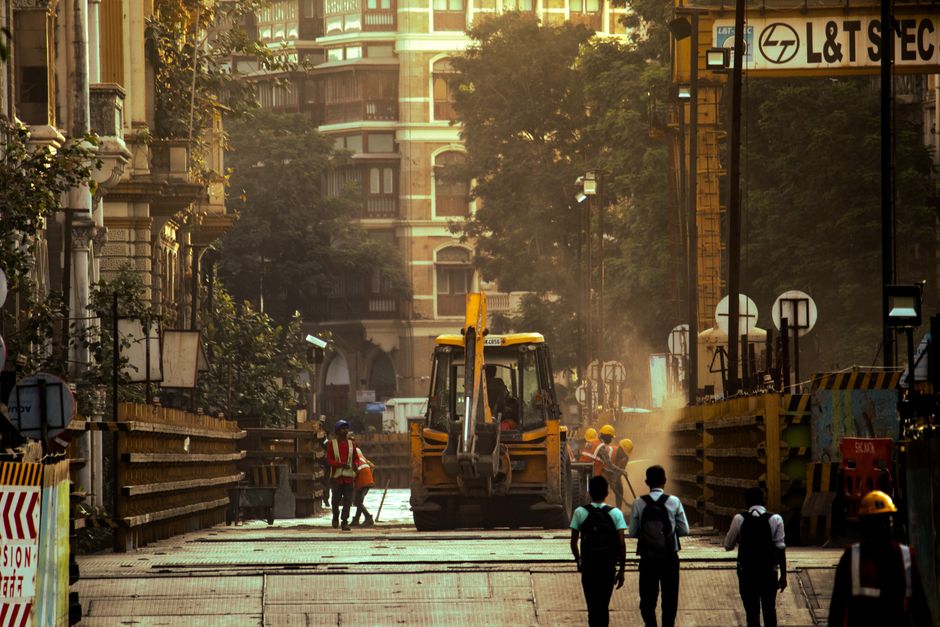
Since 2014, India has witnessed significant structural shifts. The most visible transformation has been in the infrastructure sector. Highways have been built at an accelerated pace, airport capacity has expanded dramatically across tier-two and tier-three cities, and the production-linked incentive scheme launched in 2020 aimed to bring manufacturing back to Indian soil. Digital public infrastructure — most notably the Unified Payments Interface (UPI) — has put India among the global leaders in real-time payments adoption. Formalization efforts through the goods and services tax, while initially disruptive, have gradually widened the tax base and brought millions of new filers into the system.
However, no retrospective would be honest without acknowledging persistent shortcomings. Youth unemployment has remained stubbornly high throughout the twelve-year period, with periodic pulses from the National Sample Survey Office showing job creation failing to keep pace with the demographics of a young population entering the workforce annually. Rural incomes and agricultural distress have shown only intermittent improvement, and many small traders and informal workers have expressed frustration over the costs of compliance and digital transition. Income inequality has also drawn concern from several research institutions.
The pandemic in 2020 introduced a major disruption, and the government's response — including the massive lockdown and subsequent welfare distribution — represented one of the largest humanitarian logistics operations in modern history. Economic recovery followed unevenly, with urban sectors bouncing back faster than rural ones.
What is clear is that Modinomics has not produced a clean narrative of success or failure. It has moved India in several directions simultaneously — digitizing finance, expanding physical infrastructure, promoting domestic manufacturing, and attempting to formalize a vast informal economy. Whether these gains are sufficient to meet the aspirations of a billion people remains the question for the years ahead.