Turkish security forces carried out coordinated early-morning raids on LGBTQ+ community spaces and activist organizations across five major cities over the past weekend, marking another escalation in the government's decades-long campaign against queer communities.
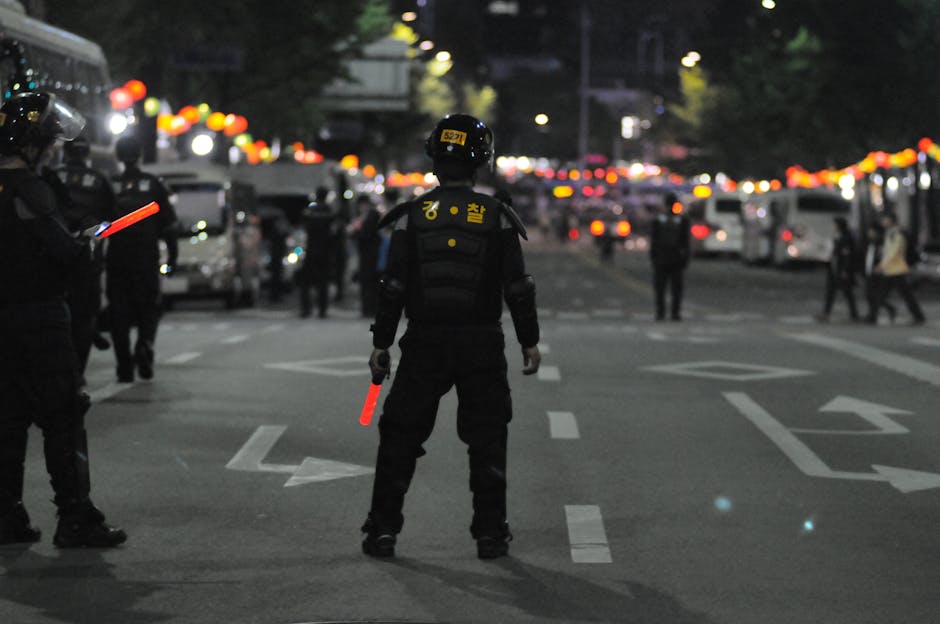
Police teams moved in simultaneously around 1 am local time in Istanbul, Ankara, Izmir, Aydin, and Mersin, executing warrants at LGBTQ+ association offices and cultural centers. Details from the operations remain scarce, but witnesses reported that officers searched premises, confiscated documents and digital devices, and questioned staff members before dawn.
The timing of the raids has drawn sharp criticism from human rights advocates, who see them as politically motivated moves designed to suppress minority voices in the run-up to national elections. Turkey has held several rounds of local and parliamentary polls in recent years, during which LGBTQ+ organizers have increasingly found themselves targets of state scrutiny and public hostility.
Turkey's relationship with LGBTQ+ rights has been fraught for over a decade. While homosexuality was decriminalized in 1952 and gender affirmation surgery has been legally accessible since the 1980s, same-sex marriage and adoption remain unrecognized, and anti-discrimination protections are virtually nonexistent. Over the years, authorities have repeatedly blocked Pride marches in major cities, shuttered LGBTQ+ associations on dubious legal grounds, and used public order laws to justify arrests of queer activists.
In Istanbul alone, several LGBTIQ+ organizations have faced repeated threats of closure through court orders citing vague charges related to "public morality" or "acting against family values." The most prominent of these groups, Kaos GL and SPoD, have been operating under sustained legal pressure for years, with their annual Pride events effectively banned since 2015 despite periodic court victories.
International rights organizations, including Amnesty International and Human Rights Watch, have documented the pattern of state-sanctioned intimidation, noting that the current wave of raids appears to be the most widespread in recent memory. Critics argue that targeting vulnerable communities serves as a distraction tactic for politicians seeking to consolidate support among conservative and nationalist voters.
Legal experts note that Turkish authorities often rely on administrative procedures that make it difficult for organizations to mount effective defenses, leaving LGBTQ+ groups in a perpetual state of legal precarity regardless of election cycles.