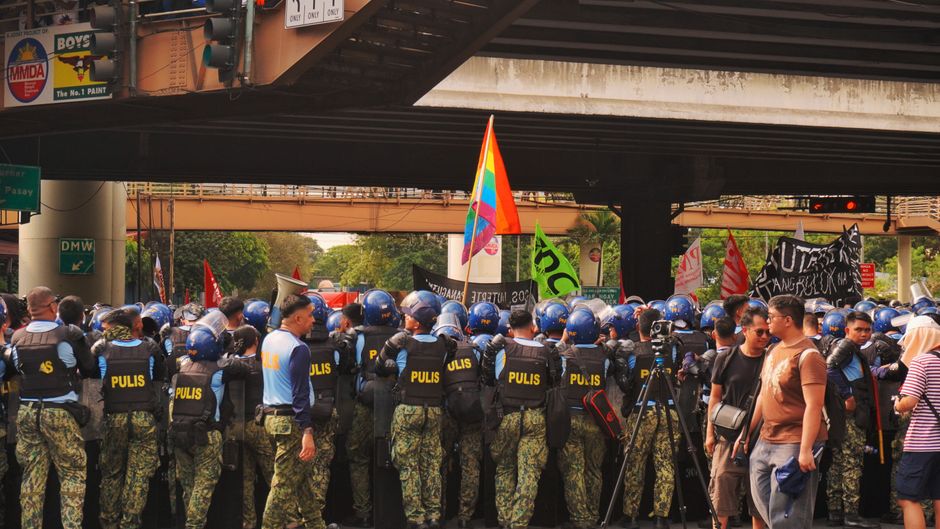
Turkish law enforcement agencies have launched a sweeping crackdown against LGBTQ communities across the country, detaining at least 63 people in coordinated operations that targeted organizations and individuals associated with the queer community. The arrests, described by prosecutors in Ankara, Istanbul and Izmir, mark one of the largest targeted operations of its kind in recent Turkish history.
According to the state news agency Anadolu, the raids were conducted simultaneously in three major cities, with authorities moving on homes, community centers, and offices linked to LGBTQ groups. The operation appears to have been authorized by prosecutorial orders in the capital and two of the country's largest urban centers, suggesting a well-organized effort spanning multiple jurisdictions.
In conjunction with the physical arrests, Turkish authorities have also moved to block access to several social media accounts associated with LGBTQ advocacy and support organizations. The digital restrictions appear designed to disrupt the online presence and communication networks of these groups, making it more difficult for them to organize events, share information, or coordinate legal assistance for those detained.
The timing and scope of the operation have drawn attention from human rights observers, who note that LGBTQ communities in Turkey have faced increasing pressure in recent years. While same-sex relations are legal in Turkey, there is no legal recognition of same-sex marriage or civil partnerships, and LGBTQ individuals have long reported facing discrimination and stigma from both society and state institutions. Advocacy groups have frequently complained about harassment during public events and gatherings they organize.
Details about the specific charges or reasons for the detentions remain limited, as Turkish authorities have not released comprehensive statements explaining the legal basis for the operation. Observers are awaiting further clarification on whether the accused will be formally charged and what proceedings might follow.


