President Donald Trump made bold assertions on Thursday regarding the escalating tensions between the United States and Iran, declaring that whatever military conflict exists between the two nations will come to an end once Americans head to the polls for midterm elections. Speaking to reporters at the White House, Trump drew a sharp distinction between military action and diplomatic engagement, making it clear that Washington would not pursue peace negotiations with Iranian leadership during the current geopolitical standoff.
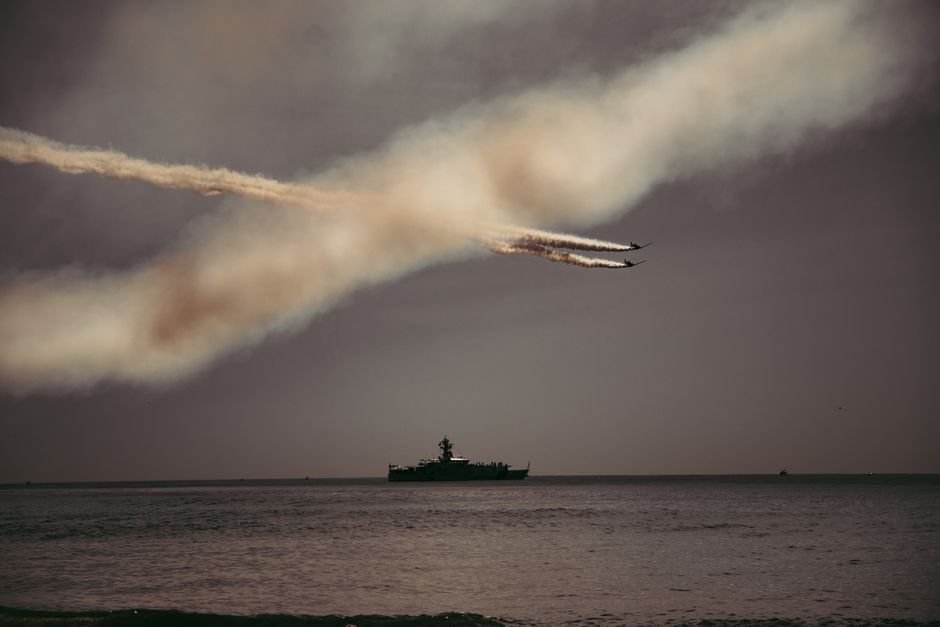
The comments came amid heightened military deployments in the Persian Gulf region, where multiple US naval vessels have been positioned as part of an expanded strategic presence aimed at countering Iranian influence. Trump suggested that the timing of any resolution is inherently linked to the electoral calendar, implying that the political landscape could shift significantly after voters make their choices at the ballot box.
However, the president was unequivocal in shutting down any speculation about immediate diplomatic breakthroughs. When pressed on whether any backchannel communications or formal peace discussions were underway, Trump dismissed the idea outright, stating that the current administration has no intention of engaging in negotiations with what he characterized as a hostile regime. His remarks signaled a continuation of the maximum pressure strategy that has defined US policy toward Iran for much of his presidency.
Iranian officials have yet to issue a detailed response to Trump's comments, though state media outlets have been running editorials criticizing what they described as American aggression and reckless warmongering in the region. Regional allies of the United States, including Saudi Arabia and the United Arab Emirates, have expressed cautious optimism about Trump's stated timeline while quietly urging continued diplomatic engagement to prevent further escalation that could disrupt global energy markets.
Analysts note that Trump's framing of the Iran situation around election timelines is consistent with his broader political communication style, frequently tying foreign policy developments to domestic political considerations. The upcoming midterms could prove consequential for how US-Iran relations evolve, with both parties likely to position themselves differently depending on the electoral outcome.