Season 2 of The Paper has officially arrived on Peacock, and according to creators Greg Daniels and Michael Koman, the show is deliberately moving further away from its most famous predecessor. If The Office was the cultural phenomenon — the Beatles of workplace mockumentaries — then The Paper, its creators suggest, is the Wings era: still great music, still beloved, but a different band operating on its own terms.
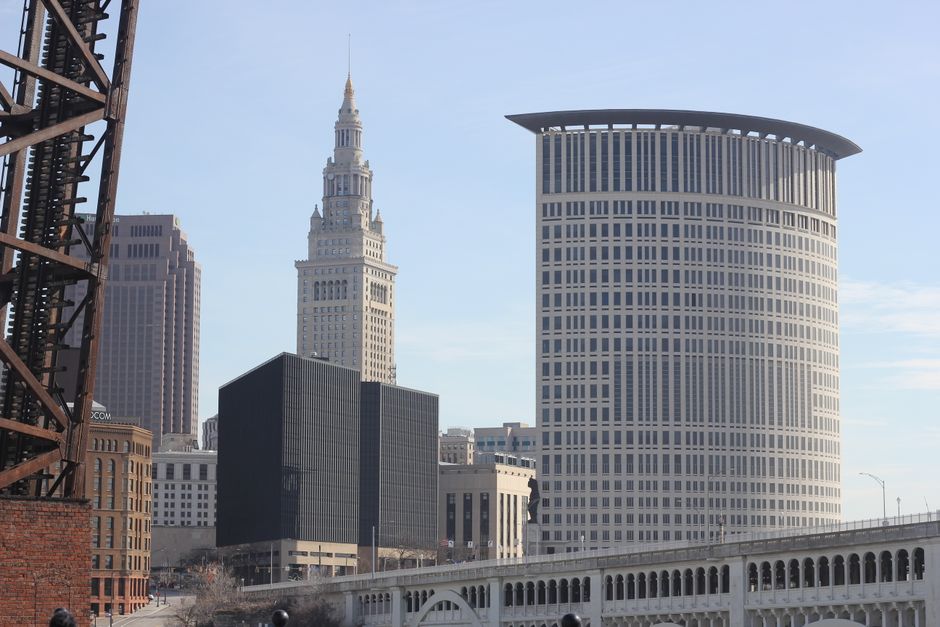
Set in Toledo, Ohio, The Paper follows employees at a local newspaper in a city that feels distinctly separate from the Scranton, Pennsylvania world of Dunder Mifflin. While Oscar (played by Oscar Nunez, who originated the role in the American version) remains on staff and provides his characteristic deadpan judgment of his colleagues' schemes, the show has introduced enough new characters and storylines that the older series' influence is noticeably thinner.
In a recent conversation about the new season, Daniels and Koman highlighted several creative choices designed to give the show its own DNA. Tornado warnings and storms in the region have become recurring plot devices, forcing characters into shelters and creating confined-space dynamics that the creators say yield both comedic and genuinely human moments. Food carts, a staple of Toledo street life, have also been woven into episodes as natural meeting places for characters.
Cameo appearances and hidden backstories for supporting characters are being used more aggressively in Season 2, a technique the creators feel helps ground the fictional newspaper world in something that feels lived-in rather than purely manufactured for comedy. Whether those cameos are drawing from real local Toledo figures or creating entirely new ones, the effect is meant to make the city itself feel like a character.
The show premiered to modest viewership and a mixed critical reception but found a steadier audience over time. The decision by Peacock to renew for a second season suggests the streamer sees enough interest to continue investing in the property, even as it tries to escape the inevitable comparisons to one of television's most-watched comedies ever made.