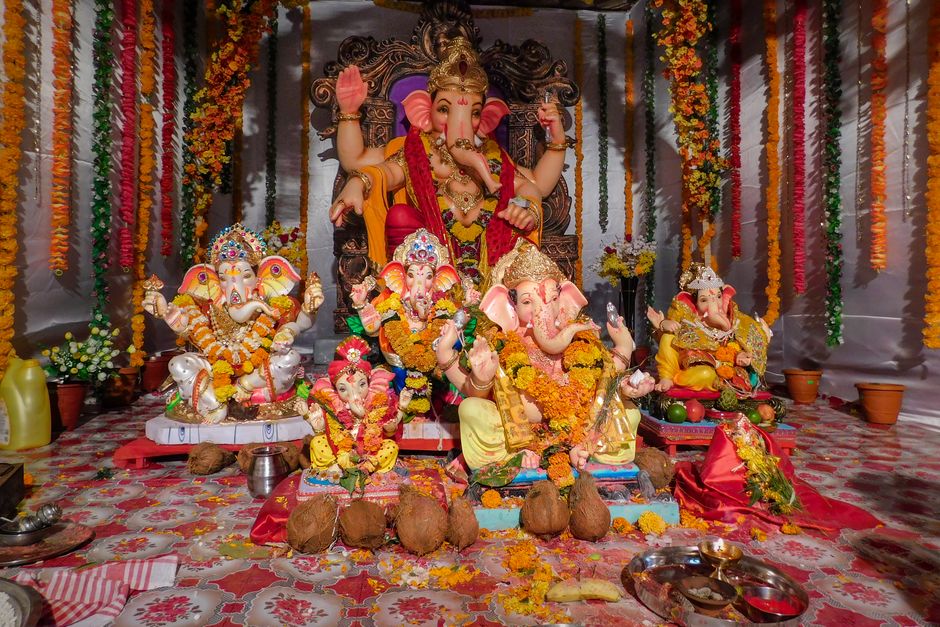
A sensational display during the Ganesh Chaturthi festival in Telangana has set the state ablaze with discussion, as two Ganesh idols were found decorated with a staggering Rs 2.9 crore in currency notes. The practice, deeply rooted in certain regional customs, has drawn sharp criticism from social activists, educators, and ordinary citizens who argue it represents a troubling misuse of money and a distortion of religious sentiment.
One of the elaborate displays was organised by members of the Kapu community, a prominent Socially and Educationally Backward Class (SEBC) community in the state. They decorated their Ganesha idol with currency notes totalling Rs 1.4 crore. The second idol, belonging to another group, featured currency notes worth approximately Rs 1.5 crore. The total amount staked on the deities across both displays adds up to Rs 2.9 crore — a figure that has stunned many.
The tradition of adorning deities with currency notes has been practised in parts of South India for decades, particularly during festivals like Ganesh Chaturthi and local temple celebrations. Devotees believe that placing money on the idol is an act of devotion and prosperity. However, when the amounts involved escalate to crores of rupees, critics argue the practice crosses from reverence into ostentation and conspicuous consumption.
Social workers and rationalist groups in Telangana have condemned the display, calling it an embarrassment to the state's cultural ethos. Many have pointed out that the same amount of money could fund education for thousands of children, build medical facilities, or support numerous families living below the poverty line. A teacher in Hyderabad told local media, "When we see crores being poured on statues, it makes us question our priorities as a society."
Legal experts note that while there is no specific law prohibiting the decoration of idols with currency, using Indian currency notes in a manner deemed to deface or demean them could potentially attract scrutiny under the Prevention of Insults to National Honour Act. Currency notes are government-issued instruments and their disposal after such displays raises questions about hygiene and waste.
The festival, which celebrates Lord Ganesha as the remover of obstacles, traditionally concludes with visarjan — the immersion of idols in water bodies. Communities in Telangana have been known for their vibrant and competitive celebrations, but the current round of displays has pushed the envelope further than many recall. Local authorities have urged people to celebrate in a more subdued and environmentally conscious manner in the future.