Chennai: The Tamil Nadu government has once again drawn a firm line on its two-language education policy, rejecting any pressure to conform to a three-language formula that includes Hindi, even after the Supreme Court recently suggested a need for a "mindset change" on the issue. The ruling came from a two-judge bench that observed Indians must shed a colonial-era mentality that views Hindi as an imposition rather than a unifying national language.
However, Chief Minister M.K. Stalin's administration quickly responded, stating that the people of Tamil Nadu have consistently voted against Hindi imposition across multiple election cycles, and the state would continue to follow its own language policy framework. Education Minister Ma.Ve. Ramasamy confirmed that the government has written to the Union Ministry of Education seeking clarity on whether adherence to the three-language formula is mandatory for states to access central education funds.
Tamil Nadu has been a trailblazer in South Indian language politics, having adopted its two-language policy back in 1966 under then-CM C.N. Annadurai. The policy mandates instruction in Tamil as the first language and English as the second, deliberately excluding Hindi from the school curriculum. This stance emerged during a period of intense anti-Hindi agitation and has remained largely unchanged despite numerous political shifts in the state.
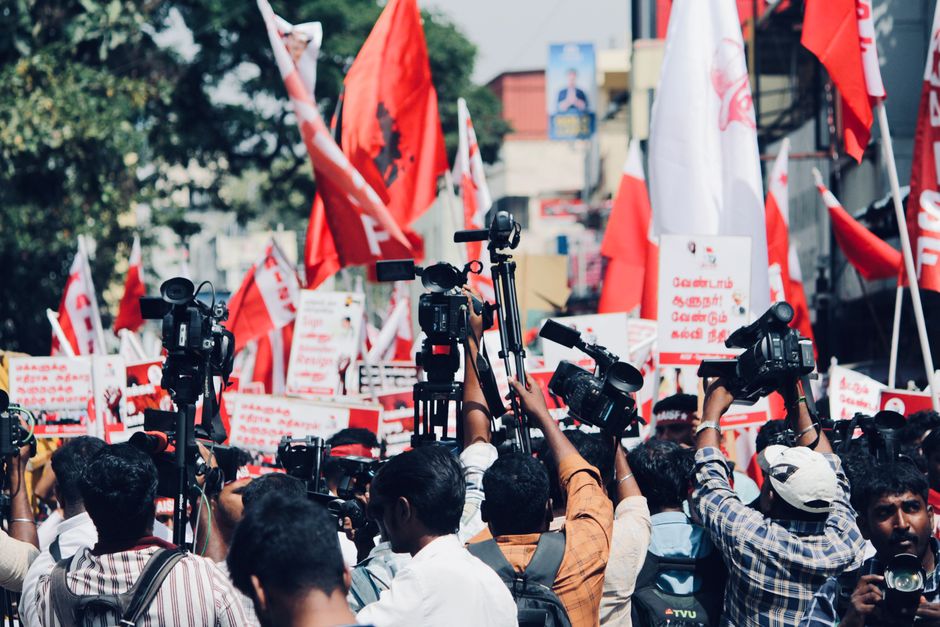
Education experts note that several southern states, including Kerala and Karnataka, have also expressed reservations about mandatory Hindi teaching, though none have matched Tamil Nadu's unequivocal public opposition. The controversy resurfaced in 2020 when the National Education Policy 2020 recommended a three-language formula, sparking protests across Tamil Nadu where demonstrators warned it was a covert attempt to impose Hindi on non-Hindi speaking regions.
Legal analysts point out that education falls under the Concurrent List of the Constitution, meaning both the Centre and states can legislate on the matter. However, critics of the Centre's position argue that the Supreme Court's observation could be seen as directing states to reconsider their policies, potentially creating legal tensions in the months ahead.