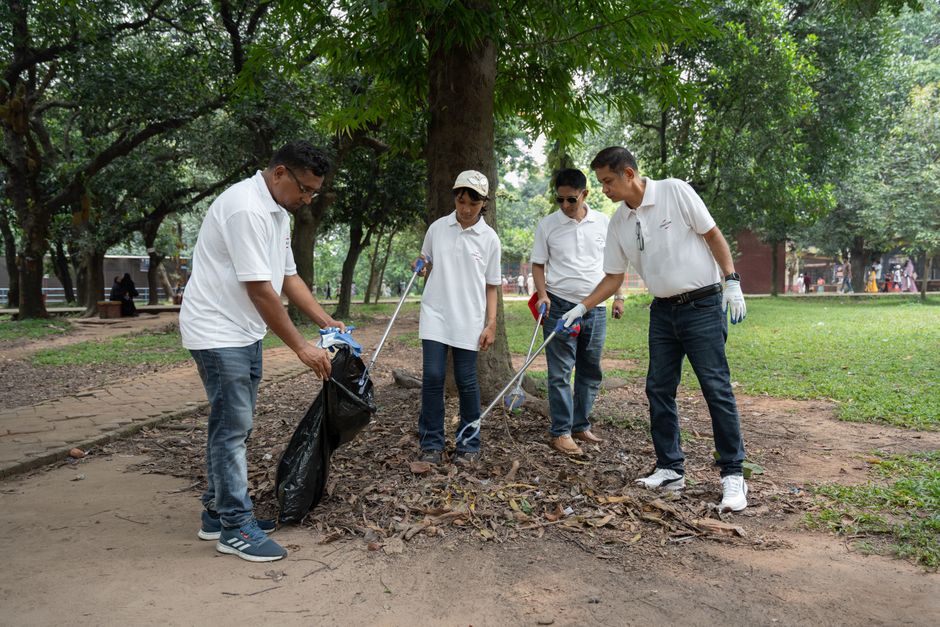
The Swachhata Hi Seva 2026 campaign kicked off on Monday across India, marking the beginning of a 45-day nationwide movement dedicated to cleanliness, sanitation awareness, and environmental hygiene. Launched on Gandhi Jayanti — the birth anniversary of Mahatma Gandhi — the initiative sees millions of citizens, government employees, students, and civil society organizations coming together to carry out cleaning and sanitation drives in cities, towns, and rural areas.
The campaign, organized under the aegis of the Swachh Bharat Mission and the Ministry of Jal Shakti, encourages participatory action rather than relying solely on municipal machinery. Across states, local authorities have set up volunteer registration points, distributed cleaning tools, and identified priority zones including markets, public parks, railway stations, schools, and water bodies.
Chief ministers and state-level officials in several states inaugurated the drive with ceremonial clean-ups, while central government ministries in New Delhi organized similar activities at their premises and surrounding areas. Educational institutions have been asked to incorporate cleanliness-themed lectures and activities into their curricula for the duration of the campaign.
Health and sanitation experts say the initiative aligns with ongoing efforts to address open defecation, solid waste management, and source segregation of garbage — core objectives that remain central to the broader Swachh Bharat Mission framework since its 2014 launch. Officials have also emphasized the link between cleanliness and public health, particularly in the context of seasonal disease prevention.
Citizens have been urged to use the official Swachhata Hi Seva mobile application to register as volunteers, track local activities, and report sanitation issues in their neighborhoods. The campaign runs through early November, with the final day of activity falling shortly before Diwali, a period traditionally associated with cleaning and renewal in Indian households.