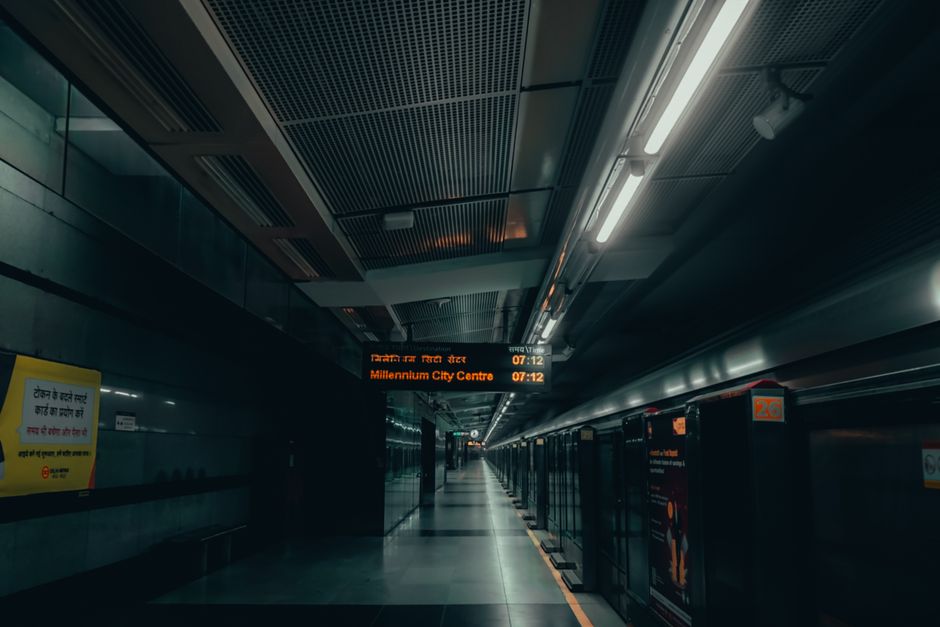
The Supreme Court on Tuesday issued a notice to the Union Government questioning the decision to close multiple Delhi Metro stations in close proximity to the court complex, a move that has drawn attention to the balance between administrative control and citizens' right to movement.
The concern arose as certain stations — including those near the Supreme Court premises — were closed for unspecified periods during recent days. The matter came up before the court when it observed that while the Executive is entitled to take security-related decisions, any restriction on public infrastructure usage must be reasonable and proportionate.
A bench of the apex court stated that it would intervene only in cases where the Executive's exercise of discretionary powers was found to be "grossly disproportionate." The court emphasized that closures of public facilities should not become a routine measure and must be based on cogent and documented reasons.
Delhi Metro Rail Corporation (DMRC), which functions under the administrative control of the Ministry of Housing and Urban Affairs, had reportedly been directed to close certain stations citing security and operational concerns. However, legal experts and civic groups have argued that blanket closures affect thousands of commuters daily, including women, elderly citizens, and daily wage workers who depend on the metro for their livelihood.
The Supreme Court has sought a detailed affidavit from the Union Government outlining the specific grounds for the station closures, the duration of each closure, and whether less intrusive alternatives were considered before resorting to such measures. The court also asked whether any communication was sent to the DMRC or the Delhi Metro Fare Regulation Commission regarding the operational impact of the closures.
Senior advocates appearing in the matter argued that the right to movement is a fundamental aspect of personal liberty guaranteed under Article 21 of the Constitution, and any restriction must satisfy the test of proportionality. They contended that closing metro stations without assigning valid, recorded reasons sets a concerning precedent for executive overreach.
The hearing is expected to continue on the next date of listing, with the court likely to deliver further observations on the scope of executive discretion in managing public infrastructure during sensitive periods.