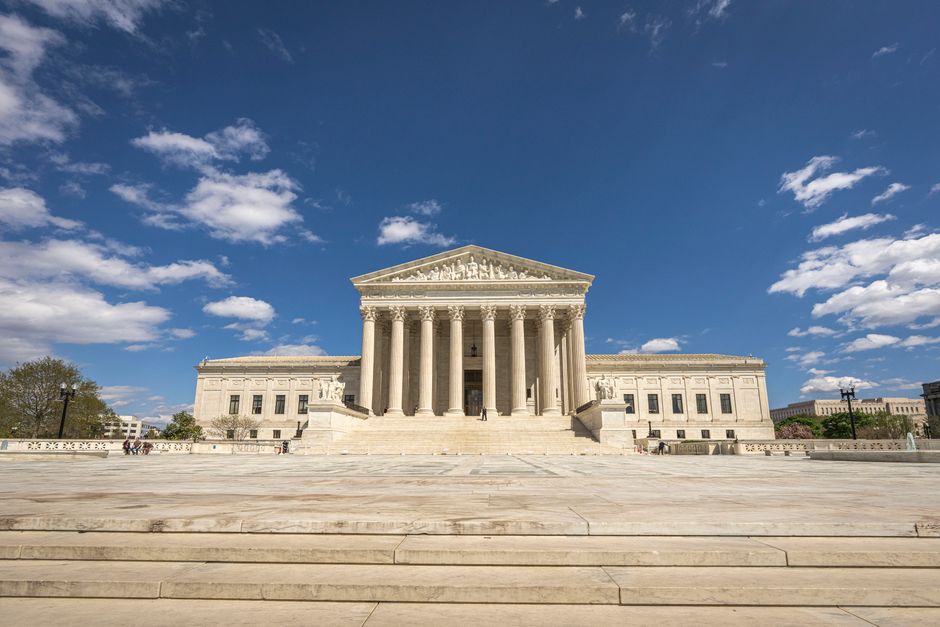
A Constitution Bench of the Supreme Court on Wednesday heard urgent pleas requesting that marital rape be explicitly recognised as a distinct criminal offence under Indian law. The petitions argue that despite existing provisions under the Indian Penal Code (IPC), women subjected to non-consensual sexual acts by their spouses face significant legal barriers, including evidentiary hurdles and societal stigma, and that only a specific statute can adequately address the gap.
The central government, appearing through the Solicitor General, took a firm position that neither creating nor removing a criminal provision on marital rape falls within the judiciary's authority. According to the government's submissions, such a transformative legal change must originate from Parliament or the executive branch through legislative action, not from judicial pronouncement. The government also indicated it would file a formal response to the petitions within three weeks.
Chief Justice Surya Kant, sitting alongside Justices Jyothirmayee Bagchi and V. Mohan, expressed concern during the hearings. "Marriage does not mean the end of a woman's freedom or her right to bodily autonomy," the CJI observed. The bench also questioned whether cases involving alleged marital rape could currently proceed effectively under the IPC's existing framework and sought clarification from the government on this point.
Under the Indian Penal Code, Section 375 carves out an exception that prohibits prosecution of a husband for raping his wife if she is above 18 years of age. This has been a longstanding controversy in India, with legal experts, women's rights organisations, and international bodies repeatedly calling for reform. Several high courts, including the Delhi and Kerala High Courts, have issued observations criticising the marital rape exemption, but no binding Supreme Court judgment has struck it down yet.
Multiple petitions challenging the constitutionality of the marital rape exception have been pending before the Supreme Court since 2022, when they were first taken up after years of advocacy by activists and survivors. The court's recent comments signal a growing judicial willingness to examine whether the exception violates fundamental rights guaranteed under Articles 14, 15, and 21 of the Constitution.
Legal analysts note that the government's stance — deferring the matter to Parliament — reflects a broader tension between judicial activism and legislative primacy in India's constitutional democracy. If Parliament does not act, the court may be forced to rule on the merits directly, potentially marking one of the most significant judgments on gender justice in Indian legal history.


