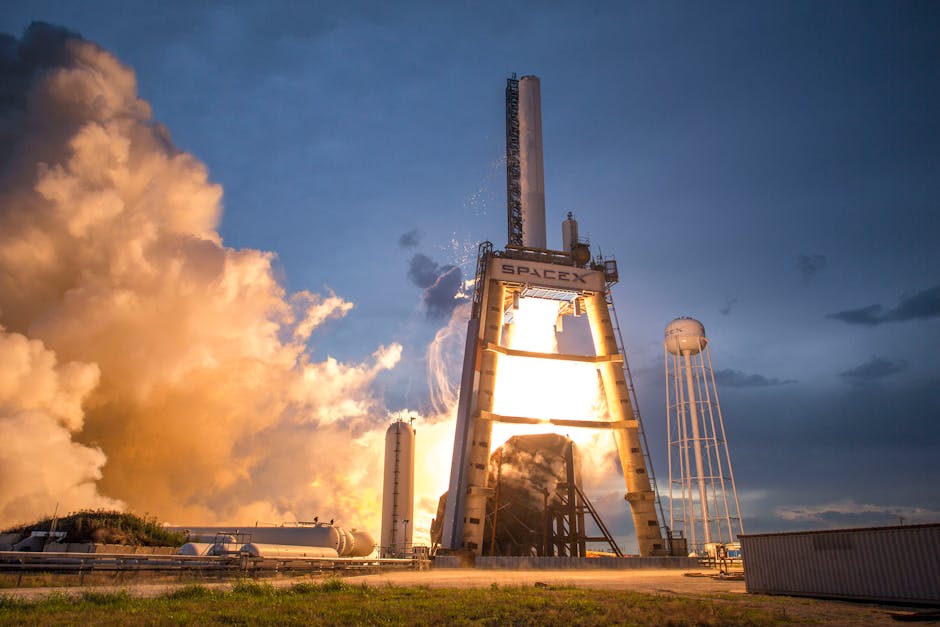
SpaceX is setting its sights on what could be a milestone moment in commercial spaceflight as it prepares Starship for a key orbital test flight. The massive rocket-spacecraft combination, developed under contract with NASA, is being positioned for what company officials describe as its most ambitious test yet. Rather than aiming merely to reach space, the upcoming mission intends to complete a full orbit around Earth before attempting to return and land safely—a critical capability needed for future deep-space exploration and heavy payload deployment.
In addition to testing the vehicle's orbital capabilities, SpaceX has indicated plans to carry and deploy a batch of next-generation Starlink V3 communications satellites during this mission. These improved internet-enabled spacecraft would expand coverage and capacity for the growing global constellation that SpaceX has been launching in rapid succession over recent years. The dual purpose—testing the rocket while also deploying useful commercial hardware—reflects the company's strategy of combining development flights with operational missions to reduce costs and accelerate progress.
Starship has been through several earlier test flights, some of which ended with the vehicle losing control or breaking apart during ascent or landing phases. Each test has yielded valuable engineering data that engineers have used to refine the design. This latest attempt is expected to push the vehicle significantly further along its developmental roadmap, potentially marking the first time a Super Heavy booster and Starship upper stage successfully complete a full orbit and controlled descent.
The mission also carries broader significance for NASA's Artemis program, which aims to return humans to the Moon using Starship as the lunar lander. While no official date has been publicly confirmed in the available reporting, industry observers expect the launch window to open in the coming weeks. If successful, the flight would represent a major step forward for reusable heavy-lift rockets and could reshape how expensive space missions are planned and executed globally.