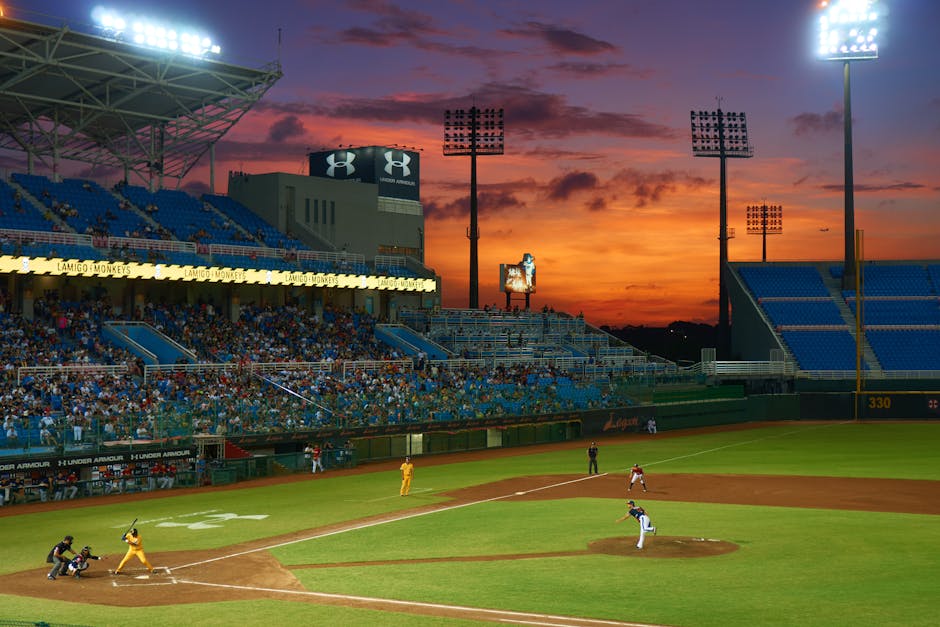
Baseball fans across the country found themselves split into opposing camps once again this off-season — this time over the trade that sent ace left-hander Tarik Skubal from Detroit to Los Angeles. The deal, which came as a shock to many who had expected Skubal to remain a Tiger for the foreseeable future, has become the defining storyline of a contentious rebuilding year.
Since arriving in Los Angeles, Skubal has pitched competently, posting solid numbers out of the starting rotation. His ability to miss bats and limit hard contact has given the new front office a foundation to build around. Yet not everyone agrees the trade was the right move at the time, especially given the price the Tigers had to pay in prospects and the uncertainty of a young rotation without its most reliable arm.
Meanwhile, in the outfield, the story could not have been more different. The franchise entered the season with high hopes for two of its outsides — both acquired or developed with the expectation that they would provide offense and defensive stability. Instead, both have fallen well short of projections. One has struggled with consistency at the plate, posting batting averages and on-base percentages that rank among the lowest for regular outfielders in the league. The other has dealt with injuries and timing issues, managing only sporadic flashes of the power and speed that made him an attractive prospect just a few years earlier.
The contrast has not gone unnoticed by analysts. Some point to the front office's willingness to move on a proven ace while failing to get production from long-terminfo outfield investments as evidence of a franchise caught between competing timelines — trying to win now while also stockpiling for the future. Others argue that Skubal's trade was a necessary step, and that the outfield struggles are a separate issue tied to player development or bad luck.
With the season still in progress, questions about roster construction and direction will likely dominate headlines for months to come.