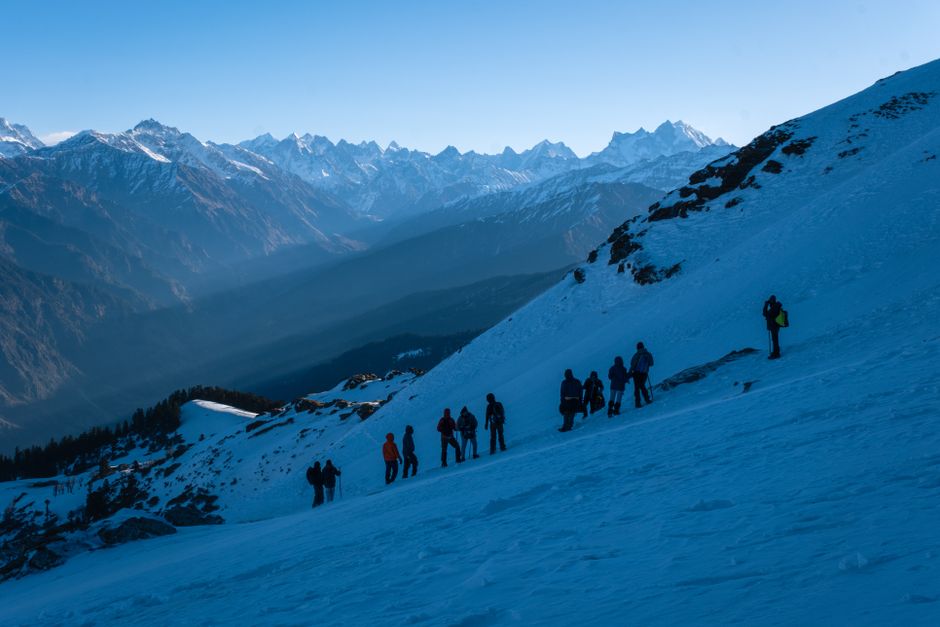
New Delhi, September 10 — A growing number of Indian travellers are discovering that the real reward of joining a group expedition may not be the destination itself, but the unexpected friendships forged along the way. Companies operating in India's booming adventure tourism sector, including Thrill Hikers, report that participants are increasingly drawn to shared journeys as much for the social experience as for the physical challenge.
For decades, trekking and group travel in India were marketed primarily around scenic beauty and adrenaline — summiting Himalayan peaks, crossing river gorges, or navigating dense forest trails. But operators say the narrative is changing. Today's travellers, particularly millennials and Gen Z participants, are seeking out trips where they can meet like-minded people from different parts of the country, often forming bonds that extend well beyond the end of an itinerary.
Experts attribute this shift to several factors. Post-pandemic travel recovery has seen a surge in people looking for communal experiences rather than solitary trips. Social media culture has also normalised the idea that travel stories are best told collectively, with shared photos and group memories carrying more cultural weight than solo itineraries. Additionally, the rising cost of independent travel in remote areas has made guided group expeditions a practical and economical choice for many first-time trekkers.
Industry insiders note that destinations such as Ladakh, Himachal Pradesh, Meghalaya, and the Western Ghats have become hotspots not just for their landscapes but for the social ecosystems they create. Group treks often bring together participants from entirely different professional and cultural backgrounds — a software engineer from Bengaluru hiking alongside a teacher from Varanasi — creating conversations and connections that rarely happen in daily urban Indian life.
Travel psychologists say that the inherently cooperative nature of trekking — navigating difficult terrain, sharing equipment, facing physical exhaustion together — accelerates social bonding in ways that ordinary social settings do not. What begins as a casual introduction at a base camp often evolves into lasting friendships maintained through regular communication long after the trip concludes.
The trend is also reshaping how adventure companies design their packages. Many now emphasise campfire sessions, community meals, and optional social activities as core features of their itineraries, recognising that these moments often become the most memorable parts of the journey for participants.