The simmering rivalry between the United States and Iran is no longer confined to diplomatic spats and proxy skirmishes — it is now bearing down directly on Saudi Arabia, putting Crown Prince Mohammed bin Salman under unprecedented strategic pressure. For years, Riyadh has worked meticulously to position itself as a regional stabilizer, championing Vision 2030 and projecting an image of a modernizing, confident kingdom. But the current flare-up between Washington and Tehran threatens to unravel much of that carefully constructed narrative.
At the heart of Saudi anxiety is the proximity of Iran's military reach to Islam's two holiest sites — Mecca and Medina. The kingdom has long treated any Iranian military presence or influence near these cities as a non-negotiable red line, a threshold that could provoke severe domestic backlash given the Saudi leadership's self-styled role as Custodian of the Two Holy Mosques. Recent reports indicate that Iranian-aligned forces, particularly the Yemen-based Houthi movement and various militia networks across the region, have extended their operational reach closer to Saudi territory than at any point in recent history.
The so-called Gate of Tears — a reference to a strategically sensitive corridor that has become a focal point of regional militarization — now sits within striking distance of Saudi border areas. Military analysts warn that the confluence of American deterrence operations and Iranian offensive posturing has created a volatile environment where miscalculation could escalate rapidly. For MBS, whose political survival is deeply tied to his ability to project strength and shield the kingdom from external threats, the deteriorating situation presents a profound challenge.
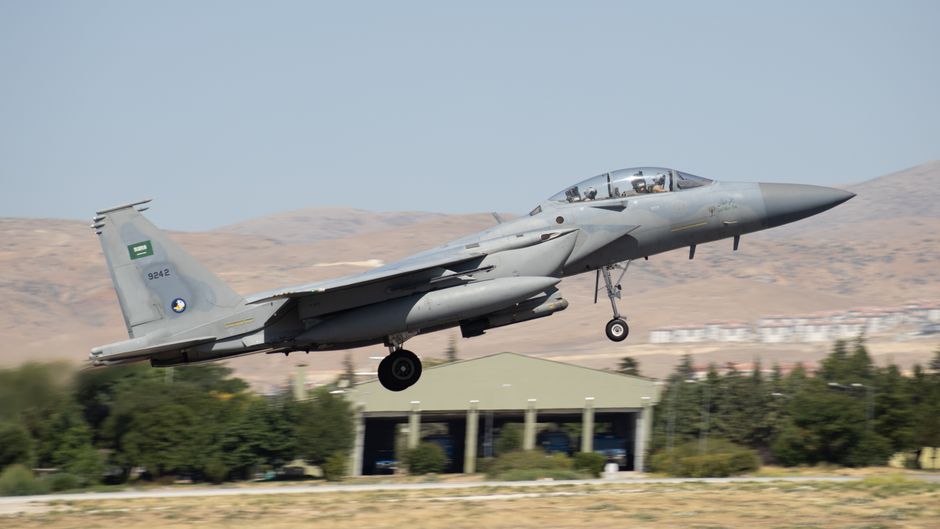
Domestically, the Saudi leadership has staked its legitimacy on economic transformation and security assurance. Every missile alert, every disruption to shipping lanes, and every sign of Iranian encroachment chips away at that foundation. International observers note that Riyadh has responded by accelerating its own defense modernization, seeking deeper military cooperation with Western powers, and exploring diplomatic overtures to regional rivals. Yet the fundamental question remains: can Saudi Arabia maintain its security umbrella when the great-power contest between Washington and Tehran continues to draw tighter circles around the Arabian Peninsula?