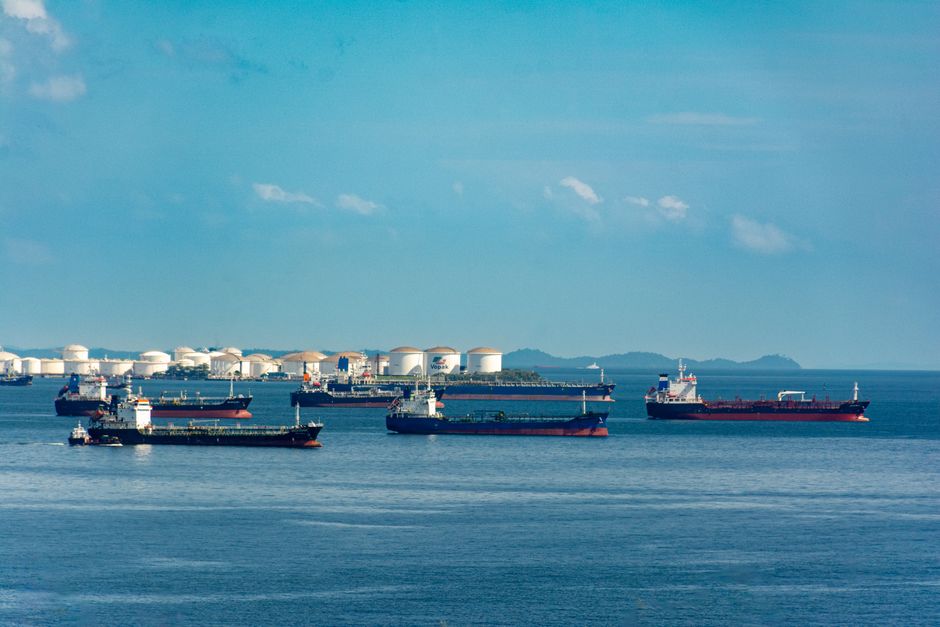
Saudi Arabia has dramatically escalated its crude oil export operations by routing approximately 60 million barrels of petroleum through an unconventional corridor, using ship-to-ship transfers at the Omani port of Sohar to circumvent the Strait of Hormuz, according to trade sources speaking to Reuters on Friday.
The kingdom's state-owned oil giant, Saudi Aramco, offered buyers of crude originating from the Ras Tanura terminal — one of the world's largest oil loading facilities on the Persian Gulf coast — the option to have their shipments transferred at Sohar, located just beyond the narrow strait that connects the Gulf to the Gulf of Oman. This logistical pivot allows tankers to avoid transiting the strategically vital waterway entirely.
The move comes against a backdrop of heightened regional tensions that have raised concerns about the security of maritime shipping through the Hormuz strait, where roughly a fifth of global oil consumption passes daily. Sources indicated that Aramco has significantly increased shuttle-vessel activity to facilitate the transfers, deploying additional shipping capacity to manage the scale of the operation.
Compounding the logistical challenge, Saudi Arabia's east-west pipeline — commonly referred to as the Petroline — remains offline. The pipeline, which runs from the Eastern Province to the Red Sea port of Yanbu, has been non-operational for an extended period due to ongoing maintenance and structural assessments following previous attacks on energy infrastructure. Its continued shutdown means Riyadh cannot easily divert the affected cargoes away from the Gulf route through an alternative corridor.
Industry observers note that ship-to-ship transfers at Sohar represent a costly and operationally complex workaround. The process requires multiple vessel movements, increases insurance premiums, and introduces delays that ripple through global supply chains. Nevertheless, the rerouting underscores Saudi Arabia's determination to maintain export volumes even as geopolitical risks intensify around one of the world's most critical energy chokepoints.
The latest development has drawn attention from global markets, where any disruption to Persian Gulf oil flows can trigger sharp price reactions. Traders are closely monitoring whether Aramco can sustain the alternative routing at scale over the coming months.