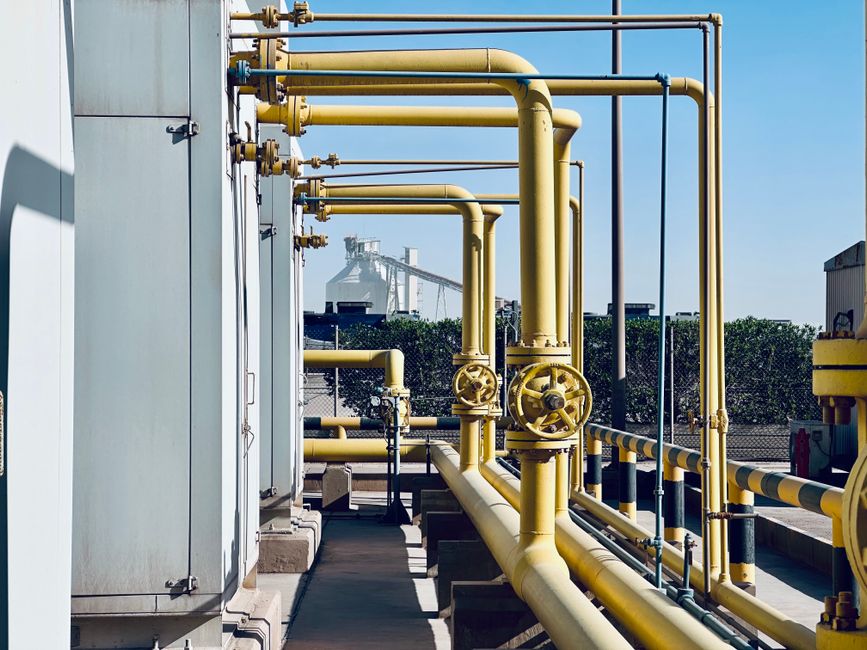
Saudi state oil giant Aramco has halted crude oil shipments to multiple Indian refining companies after a series of drone attacks damaged its critical East-West pipeline, a key artery that transports oil from the eastern production fields to the western coast for export. The suspension, confirmed by sources familiar with the matter, marks the latest disruption to hit global energy markets and has sent ripples through India's fuel supply chain.
The East-West pipeline, stretching approximately 1,200 kilometres across the Arabian Peninsula, is one of the most vital infrastructure assets in Saudi Arabia's oil industry. It moves crude from the massive Ghawar field and other eastern deposits to the Yanbu terminal on the Red Sea, bypassing the congested Strait of Hormuz. The pipeline had been operational since 1992 and typically carries around 5 million barrels per day, roughly a fifth of Saudi Arabia's total output.
Indian refiners, including major public sector units like Indian Oil Corporation and private players such as Reliance Industries, have long depended on steady supplies from Saudi Arabia, which remains India's largest single source of crude oil imports. In the 2024-25 fiscal year alone, India imported nearly 36 million metric tonnes of crude from the Kingdom, accounting for close to 18% of its total oil purchases. Any disruption to these flows directly impacts domestic fuel prices, refining margins, and government revenue.
The drone attack that triggered the shutdown has not been officially claimed by any group, but regional analysts point to heightened Houthi activity in the Red Sea corridor as a likely culprit. The militant faction, backed by Iran, has repeatedly targeted shipping and energy infrastructure in the region since the escalation of conflicts in the Middle East.
Aramco officials have stated that emergency repairs are underway, though no timeline has been given for the resumption of full operations. The company has assured international buyers that alternative supply routes, including tankers from the Persian Gulf, are being mobilized to cushion the impact on existing contracts.
India's Ministry of Petroleum has acknowledged the supply disruption and indicated it is in close coordination with suppliers to mitigate any shortfall. Industry insiders suggest that India may need to increase crude purchases from other sources such as Iraq, the United States, and the United Arab Emirates in the short term, though those supplies also carry their own logistical challenges.
Energy experts warn that the incident underscores the persistent vulnerability of global oil supply chains to asymmetric warfare and regional instability. For India, which imports over 85% of its crude needs, every interruption adds pressure to inflation, the trade deficit, and the rupee's exchange rate.