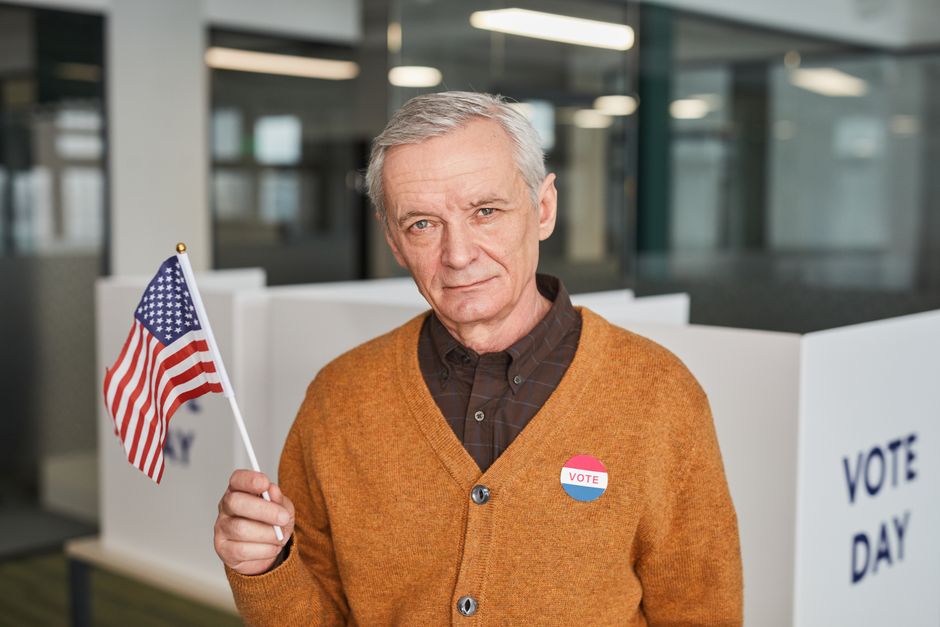
Moscow — Russia has launched its tightly managed State Duma elections, a parliamentary poll that opposition watchdogs and independent analysts describe as little more than a formality given the degree of institutional control the Kremlin exerts over the electoral process. The voting period runs from September 18 through September 20, with polling stations expected to operate across the vast country as officials prepare for what is widely anticipated to be another commanding victory for Vladimir Putin's United Russia party.
Despite the predictable trajectory, this election carries unmistakable undertones of strain within Russia's political machinery. According to recent survey data compiled by independent research groups operating outside strict state oversight, Putin's approval rating has slipped to approximately 66.9 percent — a decline from earlier readings that regularly surpassed 70 percent. Political observers point to cumulative war fatigue among Russian citizens as the primary driver of the softening numbers. Years of military engagement in Ukraine have exacted a heavy personal cost on countless families, while prolonged mobilization orders and economic dislocation have further eroded public morale.
Adding to the pressure on the domestic front, Ukrainian drone campaigns against Russian infrastructure have escalated sharply in recent months. Repeated strikes on oil refineries, power installations, and military storage sites deep within Russian borders have caused widespread fuel shortages in multiple regions and forced authorities to issue escalating public alerts about the growing range of Kyiv's unmanned aerial operations. These attacks have effectively brought the war closer to everyday Russian life.
Independent Russian journalists and civil society organizations have reported a noticeable uptick in anti-war demonstrations and localized acts of resistance over recent weeks, including small-scale protests in central Moscow and other major urban centers. The government has met these expressions of dissent with renewed arrests of activists, tighter constraints on election observation, and increased surveillance of independent media.
International monitoring bodies, including the OSCE, have declined to deploy significant election observation missions, pointing to systemic restrictions that undermine the fairness of the process. Even so, the results are expected to consolidate United Russia's dominant parliamentary position and hand Putin yet another term of legislative authority as he steers Russia through one of the most consequential chapters of the post-Soviet era.