New Delhi: Speaking at the ongoing BRICS forum, the Prime Minister placed maritime commerce and the welfare of those who man global shipping routes at the centre of his address, describing freedom of navigation and seafarer safety as indispensable to the health of the world economy.
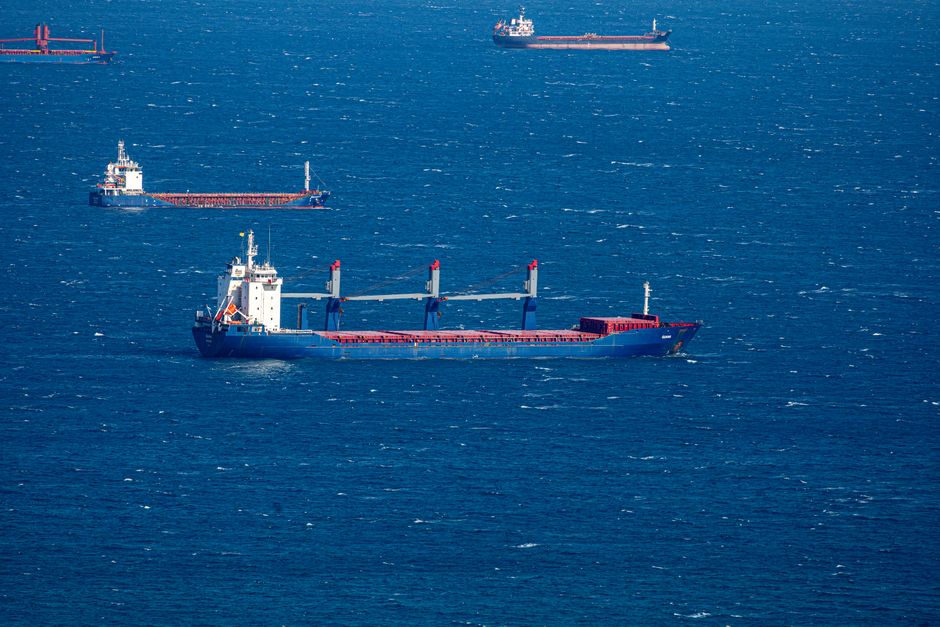
In a speech that touched upon the fragile state of global supply chains and the growing interdependence of nations, the Prime Minister stressed that uninterrupted access to international sea lanes remains one of the foundational pillars of global trade. An estimated 80 to 90 percent of goods traded across borders move by sea, making maritime security a matter of economic survival for both major powers and developing economies alike.
The Prime Minister also underscored the human dimension of maritime trade, drawing attention to the safety and dignity of seafarers — the millions of workers who spend months away from home keeping global shipping moving. Their wellbeing, he noted, is not merely a labour concern but a direct factor in the reliability of international trade flows.
India's commercial fleet and its large pool of maritime professionals make the issues particularly relevant for New Delhi. The country ranks among the top nations in terms of seafarer deployments, and any disruption to shipping routes directly affects Indian exports and import-dependent sectors such as energy and agriculture.
The remarks came at a time when several key maritime corridors around the world have faced periodic disruptions due to geopolitical tensions, piracy concerns, and the aftermath of previous global supply chain shocks. The Prime Minister's intervention at the BRICS platform signals India's continued advocacy for a rules-based maritime order and greater multilateral cooperation on sea-lane security.
BRICS members — including Brazil, Russia, India, China, South Africa, and expanded partners — share extensive coastline and depend heavily on sea routes for their growing trade volumes. Analysts say the grouping's emphasis on maritime cooperation could translate into future collaborative mechanisms for monitoring shipping lanes, sharing intelligence on threats, and ensuring swift responses to crises affecting commercial vessels.
The Prime Minister's address reinforced India's position as a vocal proponent of open seas and multilateral dialogue on issues that connect global prosperity to the safety of those who work on the oceans.