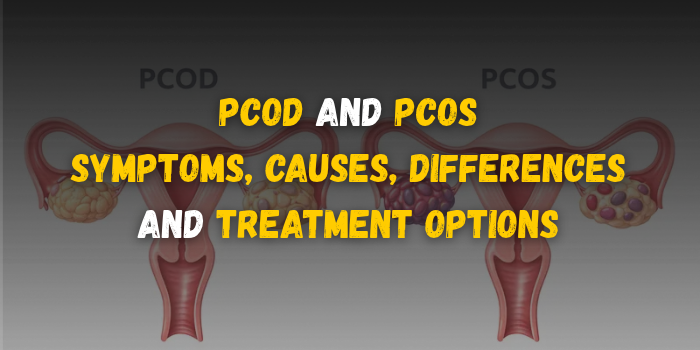
PCOD and PCOS are two commonly discussed hormonal conditions that affect women's reproductive health. Both can cause irregular menstrual cycles, hormonal changes, acne and difficulties with fertility. Although the terms are sometimes used interchangeably, PCOD and PCOS are not medically identical.
Understanding their symptoms, possible causes and differences can help women recognise when they may need medical advice. With appropriate diagnosis and care, many of the symptoms associated with these conditions can be managed.
What Is PCOD?
Polycystic Ovarian Disease (PCOD) is a term commonly used in India to describe a condition in which the ovaries may develop multiple immature follicles that do not mature and release eggs regularly.
This can affect the menstrual cycle and sometimes lead to hormonal imbalances. Women with PCOD may experience irregular periods, acne, weight changes and difficulties with ovulation.
The term PCOD is widely used in everyday healthcare discussions, but it is not a universally standardised medical diagnosis. Doctors generally assess the underlying symptoms and hormonal or ovarian changes rather than relying on the label alone.
What Is PCOS?
Polycystic Ovary Syndrome (PCOS) is a common hormonal and metabolic condition that affects women during their reproductive years.
It is associated with hormonal imbalances, particularly higher levels of androgens, which are sometimes called male-type hormones. PCOS can affect ovulation, menstrual regularity and the body's ability to regulate insulin.
Some women with PCOS have multiple small follicles visible on an ultrasound, while others may not. Having polycystic-appearing ovaries alone does not mean someone has PCOS.
Common Symptoms of PCOD and PCOS
Symptoms can vary from one person to another. Some women experience several symptoms, while others may have only a few.
Common symptoms include:
- Irregular periods: Menstrual cycles may be longer than usual, unpredictable or occasionally absent.
- Acne and oily skin: Hormonal changes can increase oil production and contribute to persistent acne.
- Excess facial or body hair: Higher androgen levels may cause unwanted hair growth on the chin, upper lip, chest or abdomen.
- Hair thinning: Some women experience hair loss or thinning, particularly around the scalp.
- Weight changes: Weight gain or difficulty managing weight may occur, although not everyone with PCOS or PCOD is overweight.
- Difficulty with ovulation: Irregular or absent ovulation can make it harder to conceive.
- Skin changes: Darkened, thickened skin around the neck, underarms or groin may be associated with insulin resistance.
- Mood and emotional changes: Some women experience anxiety, low mood or emotional distress alongside their symptoms.
Experiencing one or more of these symptoms does not automatically indicate PCOS or PCOD. A healthcare professional can help identify the underlying cause.
PCOD vs PCOS: What Is the Difference?
Although both conditions are associated with ovarian and hormonal changes, PCOS is a recognised endocrine and metabolic syndrome with established diagnostic criteria.
- Feature : PCOD | PCOS
- Meaning : PCOD is a commonly used term for ovarian changes involving immature follicles | PCOS stands for Polycystic Ovary Syndrome.
- Medical Classification : PCOD is not a universally standardised diagnosis | PCOS is a recognised hormonal and metabolic syndrome.
- Hormonal Changes : PCOD may involve hormonal imbalance | PCOS is often associated with elevated androgen levels.
- Ovulation : Ovulation may be irregular in PCOD | In PCOS, it is frequently irregular or absent.
- Insulin Resistance : Insulin resistance is not necessarily present in PCOD | It is commonly associated with PCOS, but is not present in everyone.
- Fertility : PCOD may affect ovulation | PCOS can affect fertility due to irregular ovulation.
- Long-Term Health Concerns : In PCOD, these depend on the underlying condition | PCOS may include an increased risk of type 2 diabetes and other metabolic complications.
It is important to understand that PCOD is sometimes used as an informal label for symptoms that may actually require evaluation for PCOS or another medical condition.
What Causes PCOD and PCOS?
The exact causes of PCOS are not fully understood. Research suggests that genetics, hormonal regulation and metabolic factors may all contribute.
1. Insulin Resistance
Insulin helps the body regulate blood glucose. When the body becomes less responsive to insulin, it may produce more of this hormone to maintain normal blood sugar levels.
Higher insulin levels can contribute to increased androgen production in some women, potentially affecting ovulation and menstrual cycles.
2. Hormonal Imbalance
Higher androgen levels can interfere with normal ovarian function and contribute to acne, excess hair growth and irregular periods.
Changes in reproductive hormones may also affect the regular release of eggs.
3. Genetic Factors
PCOS can run in families. Women with a mother or sister who has PCOS may have a higher likelihood of developing the condition.
However, family history does not guarantee that someone will develop it.
4. Lifestyle and Metabolic Factors
Lifestyle factors, including physical inactivity and certain dietary patterns, can influence metabolic health. They may affect symptom management, particularly in women who have insulin resistance.
However, PCOS is not caused simply by an unhealthy lifestyle, and it can affect women of different body sizes.
How Are PCOD and PCOS Diagnosed?
There is no single test that confirms every case of PCOS. Doctors usually consider medical history, physical symptoms and test results.
Common diagnostic methods include:
- Medical history: The doctor reviews menstrual patterns, symptoms, family history and changes in weight.
- Blood tests: Hormone levels, including androgens, may be checked. Blood glucose and cholesterol tests may also be recommended.
- Pelvic ultrasound: Imaging may be used to examine the ovaries and assess their appearance.
- Additional tests: Depending on symptoms, doctors may check thyroid function, prolactin and other hormone levels to rule out alternative conditions.
For adults, PCOS is generally diagnosed when at least two of the following three features are present after other possible causes have been excluded:
1. Irregular or absent ovulation.
2. Clinical or biochemical signs of elevated androgen levels.
3. Polycystic ovarian appearance on ultrasound, or an appropriate anti-Müllerian hormone assessment in adults.
The diagnostic criteria are different for adolescents, and ultrasound or anti-Müllerian hormone testing should not be used alone to diagnose PCOS in this age group.
Treatment Options for PCOD and PCOS
Treatment depends on the symptoms, medical history and whether the individual wants to become pregnant. There is no single treatment that works for everyone.
1. Lifestyle Changes
Regular physical activity, balanced nutrition and adequate sleep can support overall metabolic health.
Some helpful habits include:
- Eating balanced meals with vegetables, protein, fibre and whole grains.
- Limiting frequent consumption of highly processed foods and sugary drinks.
- Including regular walking, strength training or other enjoyable physical activities.
- Maintaining a consistent sleep schedule.
- Seeking professional guidance for sustainable weight management when appropriate.
Lifestyle changes can improve metabolic health and some PCOS symptoms, but they are not a guaranteed cure.
2. Medication for Menstrual Irregularities
Doctors may prescribe hormonal contraceptives to regulate menstrual cycles and manage symptoms such as acne or excess hair growth.
In some cases, progestogen treatment may be recommended to protect the uterine lining when periods are very infrequent.
3. Treatment for Insulin Resistance
Metformin may be prescribed for selected women with PCOS, particularly when metabolic concerns or insulin resistance are present.
It can help improve insulin sensitivity and may support menstrual regularity in some cases. It should only be used under medical supervision.
4. Fertility Treatment
Women experiencing difficulty conceiving because of irregular ovulation may benefit from medical treatment.
Letrozole is commonly recommended as the first-line medication for ovulation induction in women with PCOS-related infertility when there are no other significant fertility factors.
Other fertility treatments may be considered depending on individual circumstances.
5. Treatment for Acne and Excess Hair Growth
Depending on the symptoms, doctors may recommend topical acne treatments, hormonal medication, anti-androgen medicines or cosmetic hair-removal procedures.
Treatment choices should account for pregnancy plans and potential medication-related risks.
Can Women with PCOS Get Pregnant?
Yes. Many women with PCOS can become pregnant naturally or with appropriate fertility treatment.
The main challenge is often irregular ovulation, which can make it difficult to predict fertile days. Medical support can help identify ovulation problems and recommend suitable treatment.
Women planning pregnancy should consult a gynaecologist or fertility specialist for individual guidance. Early evaluation can help identify other factors that may affect conception.
When Should You Consult a Doctor?
Consult a healthcare professional if you experience:
- Repeatedly irregular or missed menstrual periods.
- Persistent acne or unexpected facial hair growth.
- Unexplained hair thinning.
- Difficulty becoming pregnant.
- Unusual weight changes or symptoms associated with insulin resistance.
Very heavy bleeding, severe pelvic pain or prolonged absence of periods also requires medical attention. Do not self-diagnose based only on symptoms or ultrasound findings.
Frequently Asked Questions
1. Is PCOD the same as PCOS?
No. PCOD is a commonly used term for ovarian changes involving immature follicles, while PCOS is a recognised hormonal and metabolic syndrome. The terms are sometimes used interchangeably, but they are not medically identical.
2. Which is more serious, PCOD or PCOS?
PCOS can involve broader hormonal and metabolic complications, including increased risks of insulin resistance, type 2 diabetes and endometrial problems. However, the severity of symptoms varies between individuals, and medical evaluation is important.
3. Can PCOS be cured permanently?
There is currently no permanent cure for PCOS. However, symptoms can often be managed through lifestyle changes, medication and appropriate medical care.
4. Can women with PCOD or PCOS have regular periods?
Yes. Some women have regular menstrual cycles despite having PCOS or related ovarian changes. Regular periods alone do not rule out PCOS.
5. Does PCOS always cause weight gain?
No. PCOS can affect women of all body sizes. Although weight gain and difficulty managing weight occur in some cases, they are not required for a diagnosis.
6. Can exercise and yoga help manage PCOS?
Regular exercise and yoga may support physical activity, stress management and overall well-being. They can be useful alongside medical treatment, but they do not replace diagnosis or prescribed medication.
Final Thoughts
PCOD and PCOS are important women's health concerns that deserve accurate diagnosis and appropriate care. Although their symptoms may overlap, understanding the difference helps women make informed decisions about treatment and long-term health.
A balanced lifestyle, regular medical check-ups and individualised treatment can help manage symptoms and support reproductive and metabolic health. Women experiencing persistent menstrual or hormonal changes should consult a qualified healthcare professional rather than relying on self-diagnosis.