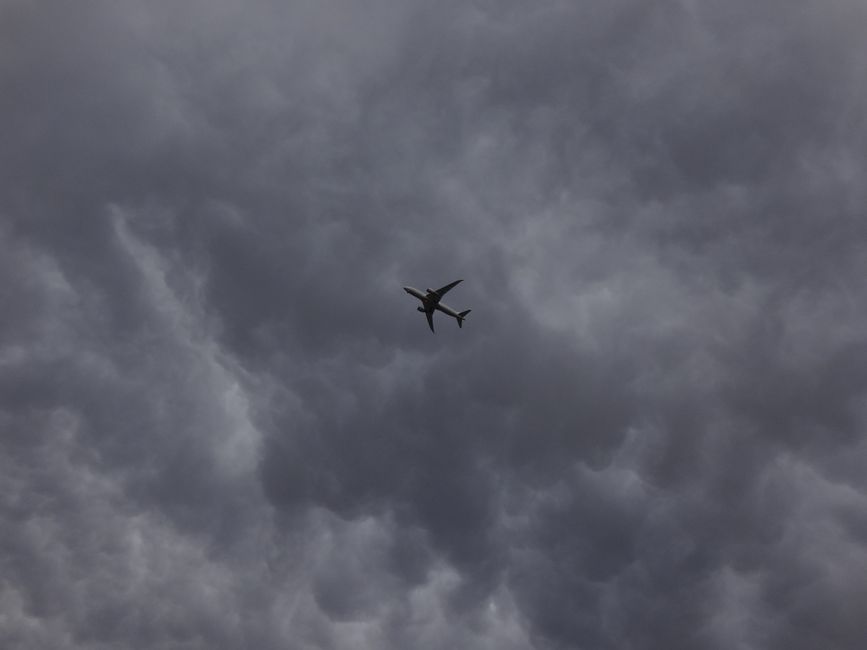
A routine commercial flight was thrown into chaos mid-air when it encountered severe turbulence, leaving passengers frightened and some minor injuries reported among those not wearing seatbelts. The incident occurred when the aircraft, cruising at an altitude of approximately 35,000 feet, suddenly descended without warning, causing objects to fly across the cabin and passengers to lose their balance. Several travelers described hearing screams echoing through the cabin as the plane plummeted and bounced through rough air pockets.
According to preliminary reports from airline officials, the pilots immediately activated seatbelt signs and alerted ground control of the turbulence encounter. The crew began communicating with affected passengers over the intercom system, urging everyone to remain seated and keep seatbelts fastened. Flight attendants were seen moving quickly through the aisles to check on passengers and assist anyone who had been thrown from their seats.
Aviation experts note that turbulence is a common occurrence in commercial flying, but severe clear-air turbulence—turbulence that occurs without any visible weather signs—can be particularly dangerous because pilots cannot see it approaching. The National Weather Service and airline meteorologists track turbulence patterns using satellite data and pilot reports, but sudden encounters still happen regularly, especially near mountain ranges and in jet stream corridors.
This incident has renewed calls from passenger advocacy groups for stricter enforcement of seatbelt rules and better communication from airlines about safety procedures. Airlines currently face criticism for passengers who frequently unbuckle seatbelts during flight, even after turbulence warnings are issued. Medical professionals have warned that serious injuries can occur in seconds when an aircraft encounters unexpected downbursts.
The flight eventually made a safe landing at its destination with no life-threatening injuries reported. Investigators are examining whether better weather radar or alternative routing could have helped the pilots avoid the worst of the turbulent zone. The incident serves as a stark reminder of how unpredictable atmospheric conditions can disrupt even the safest form of modern transportation.


