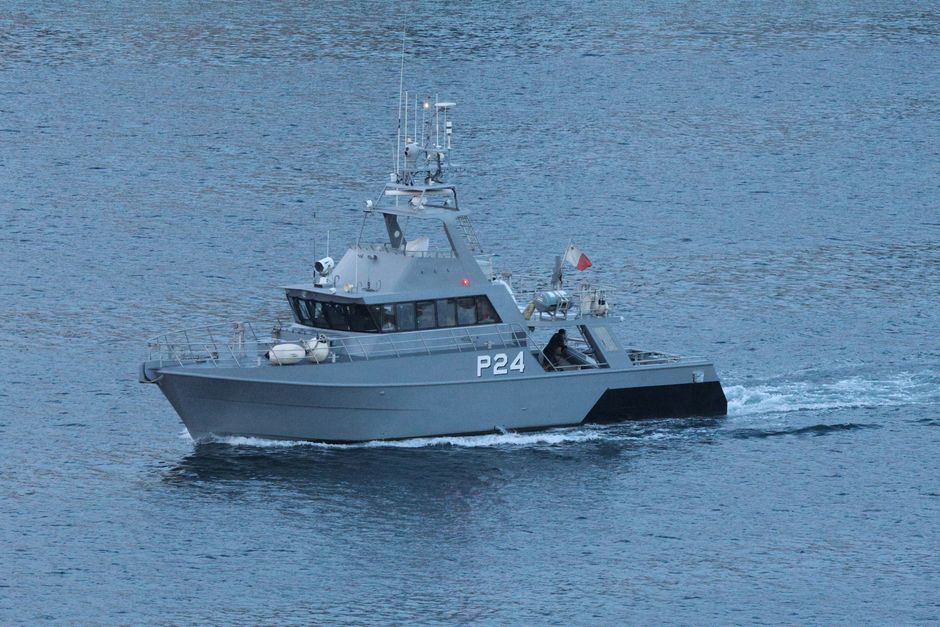
Pakistan has quietly withdrawn from discussions about contributing naval assets to the multinational coalition tasked with countering Houthi militant activity in the Red Sea, deal an intelligence sources confirmed to journalists on Thursday.
The reversal comes weeks after Islamabad's defence ministry signaled openness to the idea, a move that was widely interpreted as a significant shift in Pakistan's foreign policy posture toward the Gulf Cooperation Council (GCC) states. Analysts say the decision to walk back was driven by New Delhi's diplomatic pressure and internal political considerations in Islamabad.
According to multiple regional outlets reporting on the matter, Pakistan's deputy prime minister and foreign secretary both held closed-door consultations before the joint statement was issued that originally described Pakistan's willingness to participate in protecting commercial shipping lanes threatened by Houthi missile and drone strikes. Those consultations led to a revised position paper that effectively pulled Pakistan out of active involvement.
Saudi Arabia, which has been bearing the brunt of Houthi cross-border attacks and had previously relied on Pakistani troops in counter-insurgency roles during earlier conflicts in Yemen, was reportedly caught off guard. A senior Saudi official told a Washington-based diplomatic correspondent that Riyadh had counted on Islamabad's participation and viewed the initial agreement as a cornerstone of its broader security strategy for the region.
With Pakistan stepping away, Riyadh has turned increasingly toward former US president Donald Trump, seeking his political influence to bolster American military engagement in the Red Sea. Trump, who has faced domestic political headwinds and shifting priorities on Middle Eastern policy, has given no public indication of re-engaging with the Saudi proposal. Multiple reports suggest that Trump's team has declined informal meetings with Saudi envoys on the issue and has not publicly endorsed any new force-multiplying arrangements involving Gulf allies.
The developing situation underscores a fragile moment in Gulf–Washington–Islamabad relations. For years, Pakistan served as one of the few Muslim-majority nations with deep military ties to Saudi Arabia, yet it has also historically maintained careful neutrality in regional disputes to preserve economic and strategic links with Iran, which backs the Houthi movement. The current retreat from the Houthi mission appears designed to recalibrate that delicate balancing act rather than signal hostility toward any single party.
Meanwhile, Houthi forces continue sporadic attacks on commercial vessels, disrupting global supply chains through the Bab el-Mandeb strait. Shipping insurance premiums have surged, and several major logistics firms have rerouted vessels around Africa's Cape of Good Hope at significant cost.
Diplomats caution that without a coordinated multilateral response involving Pakistan and other regional powers, the window to restore safe passage through the Red Sea may close further, leaving Saudi Arabia and its Gulf partners increasingly isolated on the question.


