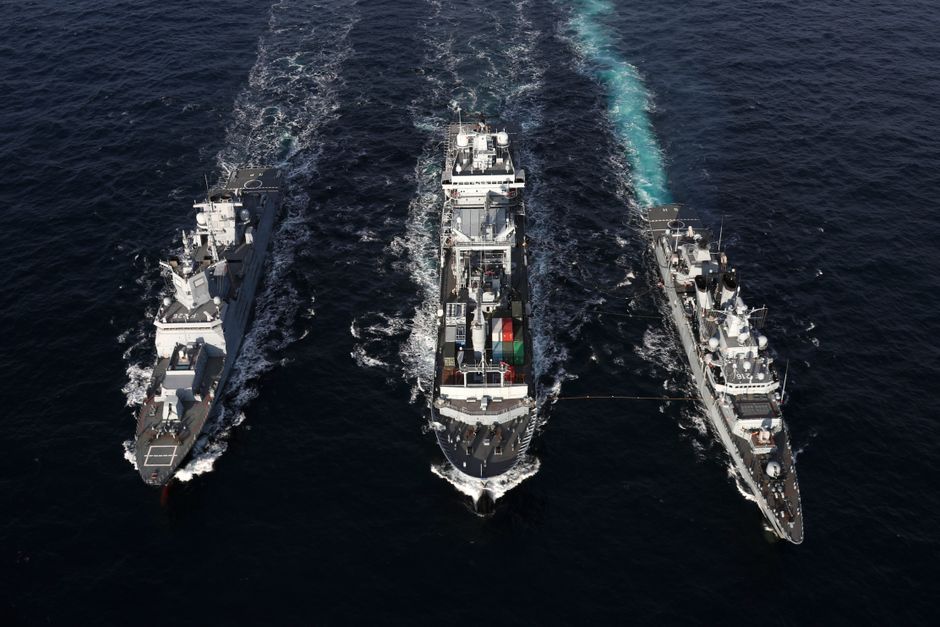
A tense naval encounter in the Arabian Sea has brought to light Pakistan’s integration of Chinese-inspired tactical approaches, marking a shift in how Islamabad conducts maritime operations amid ongoing strategic rivalry with New Delhi. According to defense analysts, the incident involved close-range maneuvers between a Pakistani naval vessel and an Indian warship, where Pakistani crews executed coordinated movements and communication protocols reminiscent of modern Chinese naval doctrine.
The episode underscores the deepening defense partnership between Pakistan and China, which has seen Beijing supply Islamabad with advanced naval assets, training frameworks, and joint exercise participation over the past decade. Chinese naval tactics emphasize speed, electronic warfare, swarm-like coordination, and asymmetric engagement—strategies that were reportedly deployed during the standoff to assert presence and challenge Indian ship movements.
The Arabian Sea remains a critical theater for both nations, serving as a conduit for vital trade routes and a zone of frequent military activity. India has been expanding its naval footprint through port access agreements and indigenous shipbuilding programs, while Pakistan continues to rely on Chinese technological and doctrinal support to balance regional power dynamics.
Defense experts note that the adoption of foreign tactical playbooks reflects a broader trend among middle-income militaries seeking cost-effective ways to project power. For Pakistan, aligning with Chinese maritime strategies offers operational familiarity through shared training and equipment interoperability.
New Delhi has not yet issued an official statement regarding the encounter, but internal security circles view the development as a signal of China’s indirect role in shaping naval confrontations along India’s western seaboard. The incident is expected to prompt renewed scrutiny of Indo-Pacific security architectures and the extent of third-party influence in South Asian maritime disputes.