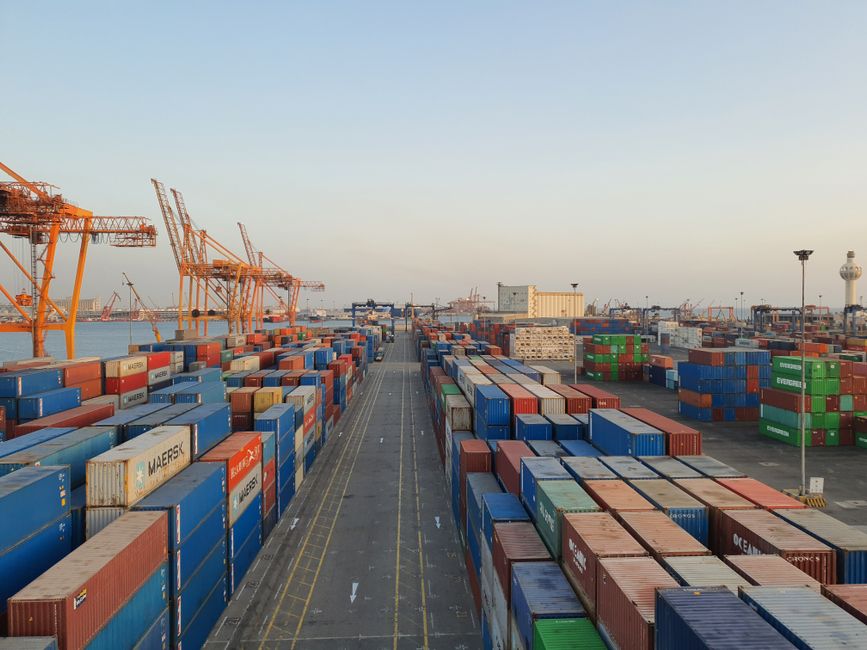
A recent report by the World Shipping Council (WSC) has brought to light serious safety concerns in the global cargo transportation sector, revealing that over 10 percent of inspected cargo transport units were found to have safety deficiencies during government inspections conducted across seven countries in 2025.
The findings underscore growing worries about the condition of containers and transport equipment that move vast quantities of goods along international trade routes every year. These safety lapses can range from structural weaknesses in containers to failures in locking mechanisms, compromised seals, and other defects that could lead to cargo shifting, spills, or even accidents at sea and on road networks.
The inspection data, compiled by the WSC — an advocacy group representing major container shipping lines — reflects the results of coordinated government enforcement actions in multiple jurisdictions. While the council did not release a complete list of all identified deficiencies, industry experts say the most common problems include damaged container walls and floors, faulty roof vents, broken door hinges and locking bars, and containers that fail to meet International Convention for Containers Safety (CSC) plate requirements.
Transport safety officials in the participating nations conducted random and targeted inspections at ports, rail terminals, and freight depots. Containers and transport units found to be in unsafe condition were typically removed from service until repairs were completed, and in some cases, shipping companies faced penalties or were required to submit corrective action plans.
Maritime safety advocates said the numbers are a reminder that while the vast majority of cargo moves safely, even a small percentage of defective units can pose disproportionate risks. A single compromised container in a stacked ship load, for instance, can endanger the entire vessel and crew if it shifts during heavy seas. On roads and railways, poorly maintained freight units increase the likelihood of accidents involving other motorists and workers.
The WSC emphasized that its member companies maintain rigorous internal inspection protocols and invest heavily in container maintenance and recycling programs. However, the report also pointed out that containers frequently change hands among multiple operators, leasing companies, and shippers before reaching their final destination — creating gaps where worn or damaged units can slip through without proper scrutiny.
Industry analysts noted that the rise in inspections and the visibility of deficiency rates could reflect both increased regulatory oversight and a genuine need for better quality control in the supply chain. With global trade volumes continuing to expand, ensuring that every container meeting the strictest safety standards has become an urgent priority for governments, shipping lines, and logistics companies alike.