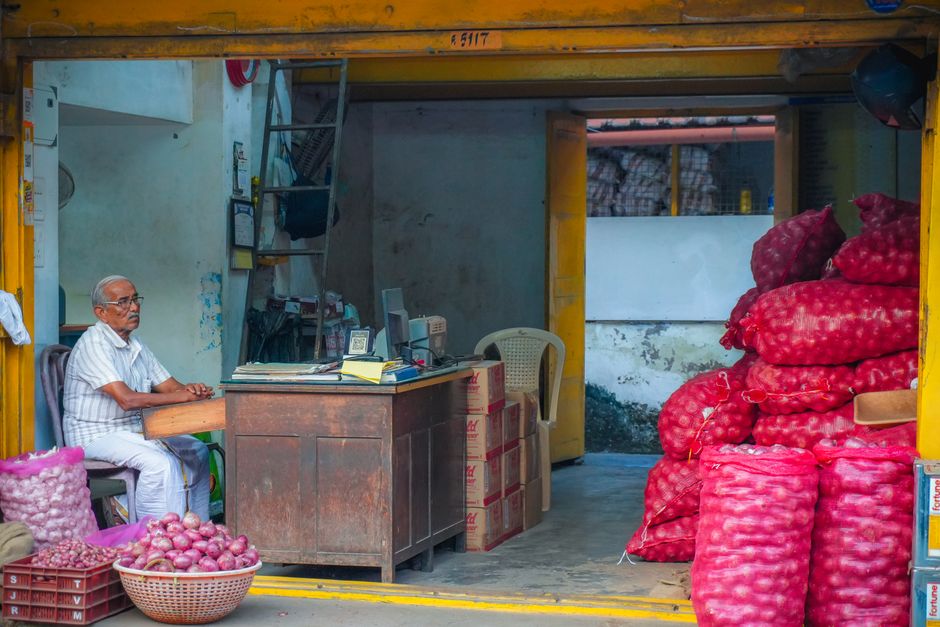
India is grappling with a severe spike in onion prices that has turned a dietary staple into a financial burden for millions of households. According to government trade statistics, the average retail price of onions climbed from ₹29.50 per kilogram on June 1 to ₹53.78 per kilogram by September 17 — a gain of over 82 percent in just three and a half months. In wholesale markets across the country, the increase was even more dramatic. The wholesale rate rose from ₹22.60 per kilogram in early June to ₹46.20 by mid-September, before edging down slightly to ₹45.68.
The primary cause of the price surge is a significant shortfall in onion supply from two of India's biggest producing states — Maharashtra and Karnataka. Maharashtra alone accounts for roughly a third of the country's total onion output, and Karnataka contributes a substantial share as well. Poor monsoon conditions, erratic rainfall patterns, and higher-than-usual temperatures during the cropping season have collectively damaged yields. Farmers in these regions reported that many crops failed to meet expected production targets, which directly translated into thinner stocks arriving at mandis nationwide.
Political observers note that rising onion prices often become a flashpoint in Indian politics, given how closely voters associate food affordability with governance. Opposition leaders in several states have already called on the central government to take immediate action, including releasing buffer stock reserves and restricting exports temporarily.
However, there are signs that the worst may be behind us. Government sources indicate that the next harvesting cycle in certain regions is expected to begin imminently, which should ease supply pressures. Additionally, the central government has been monitoring stock levels in key mandis and has the authority to impose stock limits under the Essential Commodities Act if prices continue to rise unchecked. Market analysts expect retail prices to stabilise or even decline gradually over the coming weeks as fresh arrivals reach markets.