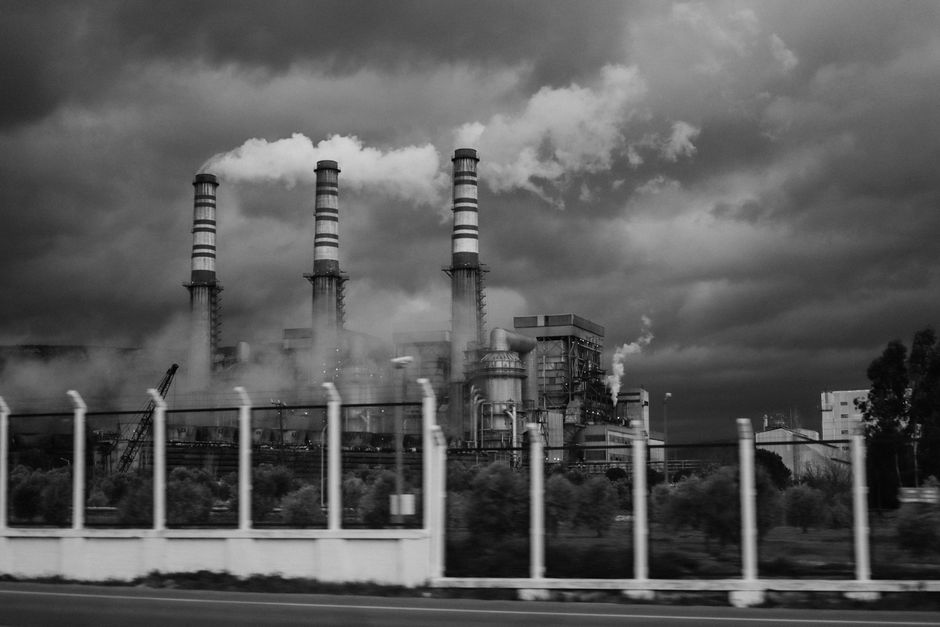
Environmental regulators have intensified their grip on polluting activities across the National Capital Region as air quality continues to deteriorate. The Commission for Air Quality Management (CAQM) announced that its Flying Squads carried out 150 targeted inspections between industrial units, active construction sites, and power-generation facilities over a concentrated 15-day enforcement period.
The rapid deployment of inspection teams signals a shift from advisory measures to stricter compliance-driven action. Flying Squads — specialized enforcement units composed of officials from multiple environmental agencies — were sent to locations across Delhi, Haryana, Uttar Pradesh, and Rajasthan that make up the NCR. These squads operate without prior notice, making surprise visits to facilities that are frequently found violating pollution control norms.
The inspections covered three major categories of emitters. Industrial units were scrutinized for functioning without proper emission control equipment, operating beyond permitted hours, or releasing untreated effluents. Construction and demolition sites faced checks on dust suppression measures, including whether water sprinklers, fog guns, and covered transport of debris were being used as mandated. Power-generation facilities were examined for compliance with stack emission standards and fuel quality regulations.
Officials stated that violations detected during these inspections will attract penalties under the Environmental Protection Act and the Air (Prevention and Control of Pollution) Act. Repeat offenders could face suspension of operating licenses or referral to judicial bodies. Authorities emphasized that the crackdown is not punitive in nature but aimed at ensuring that existing directives are actually followed on the ground.
This enforcement drive comes against a backdrop of declining air quality in the region, especially as winter approaches and temperature inversion traps pollutants close to the ground. The Delhi government and neighboring states have been under sustained legal and public pressure to take more decisive action beyond seasonal bans and odd-even vehicle schemes. Environmental groups have long criticized the gap between policy announcements and actual implementation, making this heightened inspection activity one of the most aggressive compliance drives undertaken by CAQM in recent years.


