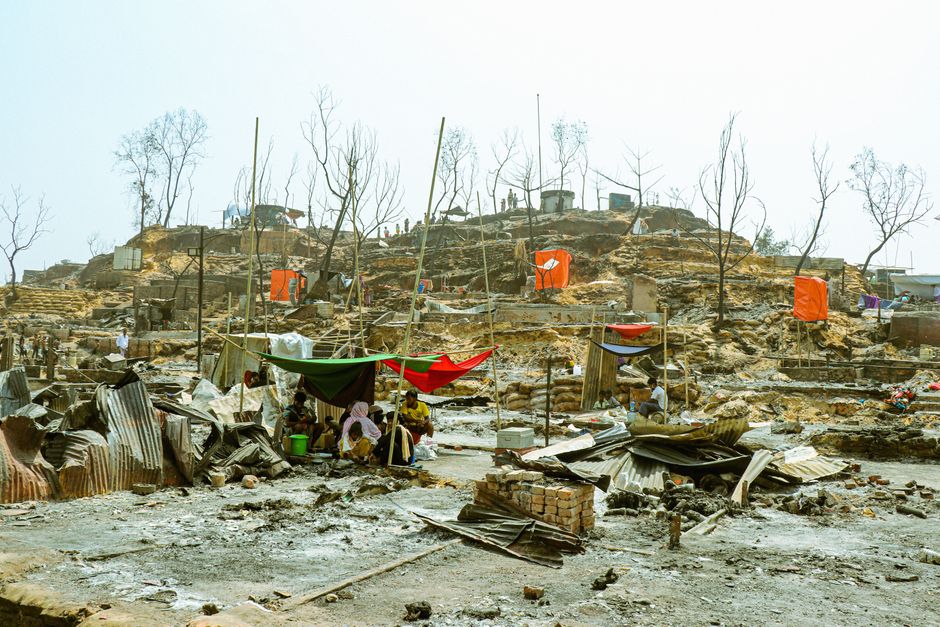
The traumatic communal violence that engulfed Muzaffarnagar in August 2013 has re-emerged as a potent political issue in Uttar Pradesh, barely two decades later, as the state gears up for assembly polls in 2027. What was once a brutal chapter marked by over 60 deaths, hundreds of injuries, and the displacement of more than 50,000 people is now being wielded as a political weapon by rival parties eager to stake moral authority on law and order.
The 2013 Muzaffarnagar riots originated from longstanding local tensions that erupted after a political rally turned violent in the Shahabad area of the district. Within days, the violence spread across multiple villages, drawing in communities along religious lines and leading to widespread arson, looting, and loss of life. The aftermath saw thousands living in relief camps for months, and the district's social fabric was left deeply scarred.
Justice Gita Mittal, appointed by the Supreme Court to head the inquiry commission, submitted her report in 2018, recommending action against several senior police officials for alleged lapses in handling the situation. However, years later, many victims and activists continue to express frustration over the lack of concrete accountability and justice.
As the 2027 Uttar Pradesh legislative assembly elections draw nearer, political observers note that the Muzaffarnagar reference is increasingly appearing in campaign rhetoric. Opposition parties, particularly those in the INDIA bloc, have been demanding a fresh and transparent investigation into the riots, arguing that the existing inquiry remained incomplete and that victims were never adequately compensated or heard. Several survivors of the 2013 violence have renewed their appeals for justice on social media and at public events, keeping the memory alive.
The Bharatiya Janata Party, which has governed Uttar Pradesh continuously since 2017, has faced criticism for allegedly downplaying the communal violence during its earlier tenure in the state. Party leaders have defended their record, pointing to development achievements and broader law-and-order improvements across Uttar Pradesh. Still, political analysts caution that the issue could resurface as a significant campaign theme, especially in western Uttar Pradesh, where the impact of the riots was most severe.
Legal experts note that the Muzaffarnagar case also carries constitutional significance — it raised questions about state responsibility in protecting citizens during communal flare-ups and about the independence of state-led inquiries into police conduct. With election commissions expected to issue dates later this year, the dormant chapters of Muzaffarnagar's past are being dusted off once again, reminding voters and politicians alike that some histories refuse to stay buried.


