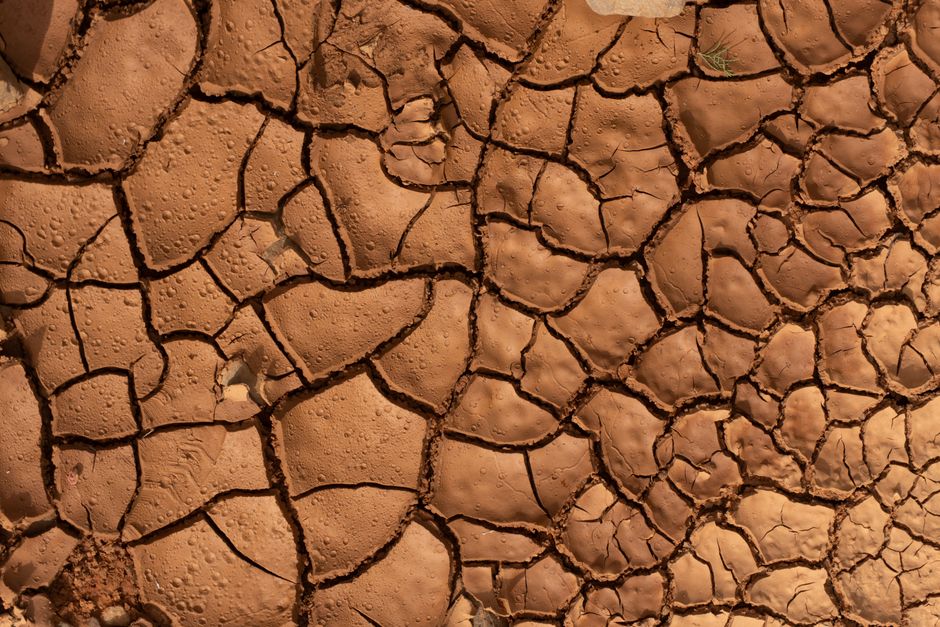
Morocco is facing one of the most severe long-term drought episodes in its modern history, with meteorological data revealing that the North African kingdom has suffered six consecutive years of below-average precipitation between 2019 and 2024. The trend represents a dramatic shift from historical rainfall norms and has sent alarm bells ringing across government agencies, agricultural communities, and environmental research institutions.
Over the past decade, rainfall across much of Morocco has steadily diminished, stripping reservoirs, draining underground aquifers, and placing enormous strain on a population that already contends with water scarcity in large swaths of the country. The dry period that began around 2019 did not simply reflect ordinary yearly variability; it marked a sustained departure from decades of climatic expectation, with annual precipitation totals consistently falling short of long-term averages.
Climate scientists have linked part of Morocco's deteriorating rain regime to the increasing frequency and intensity of El Niño events, a periodic warming of Pacific Ocean waters that disrupts weather patterns worldwide. El Niño tends to suppress rainfall over parts of North Africa, and researchers note that as global temperatures continue to climb, these cycles may become more pronounced, compounding the effects of an already vulnerable water system.
The implications are far-reaching. Agriculture, which accounts for a substantial share of Morocco's employment and GDP, has felt the brunt of the dry spell. Farmers in key farming regions including the Fez-Meknes, Rabat-Salé-Kénitra, and Marrakech-Safi zones have reported reduced harvests, stressed livestock, and declining yields of staples such as wheat and barley. Many smallholder farmers have been forced to fallow fields or abandon traditional crops altogether.
Urban water restrictions have also tightened in recent years, particularly in cities like Rabat, Casablanca, and Fez, where authorities have imposed limits on domestic use and warned residents to conserve. Dam levels in several major reservoir systems have dipped to dangerously low points on multiple occasions since 2020, prompting the government to explore desalination plants, expanded wastewater recycling, and more ambitious infrastructure projects to secure future supplies.
Environmental groups caution that Morocco's drought crisis is unlikely to ease without significant global reductions in greenhouse gas emissions. They argue that adaptation measures alone will not be sufficient if precipitation trends continue their downward trajectory, and they are calling for stronger integration of climate resilience into national planning.
As the country looks toward recovery, policymakers face the difficult task of balancing immediate relief for affected communities with long-term investments in sustainable water management—a challenge that has only grown more urgent with each passing dry year.


