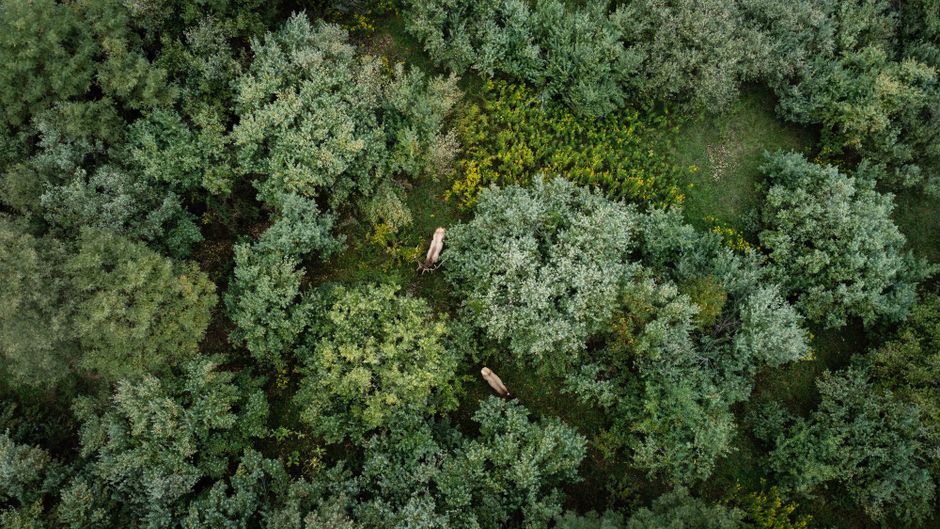
Montana's conservation landscape is set for a significant expansion as state officials unveiled plans for a two-phase conservation easement that could ultimately protect nearly 83,000 acres of private timberland across the state. The first phase alone covers 34,610 acres, with a proposed second phase that would add another 47,907 acres, creating one of the largest contiguous protected corridors in the region.
The conservation easement, a legal agreement that restricts certain types of development on private land while allowing owners to retain control over their property, is designed to strike a careful balance between economic activity and environmental stewardship. Under the proposed terms, ongoing timber harvesting would continue on the protected lands, but future residential, commercial, or industrial development would be halted permanently.
State wildlife agencies have championed the initiative, noting that the timberlands serve as critical habitat for species including elk, deer, bears, and numerous bird species. The vast tracts of interconnected forest also support migratory routes and biodiversity corridors that have faced increasing pressure from development and fragmentation over recent decades.
Beyond wildlife preservation, the easement would guarantee public access for recreational activities such as hunting, fishing, hiking, and horseback riding — a provision that has drawn support from outdoor enthusiast groups across the state.
Funding for the project comes from a multimillion-dollar partnership involving multiple state and federal agencies, though specific dollar figures have not yet been fully disclosed. Officials emphasized that no money will change hands until the final easement terms are approved, and the process remains in its early stages.
Montana authorities are currently accepting public comments and feedback before making any final decisions. A public hearing period is underway, and officials have encouraged landowners, environmental groups, and residents to submit input through official channels. The timeline for a conclusive decision has not been formally announced, but agency representatives indicated that the review process could extend over several months.
Conservation advocates have welcomed the proposal as a landmark effort, while some rural communities have raised questions about how the easement might affect local tax revenues and logging-dependent economies. State officials have said they are working to ensure that timber industry workers and landowners are not disadvantaged by the restrictions.


