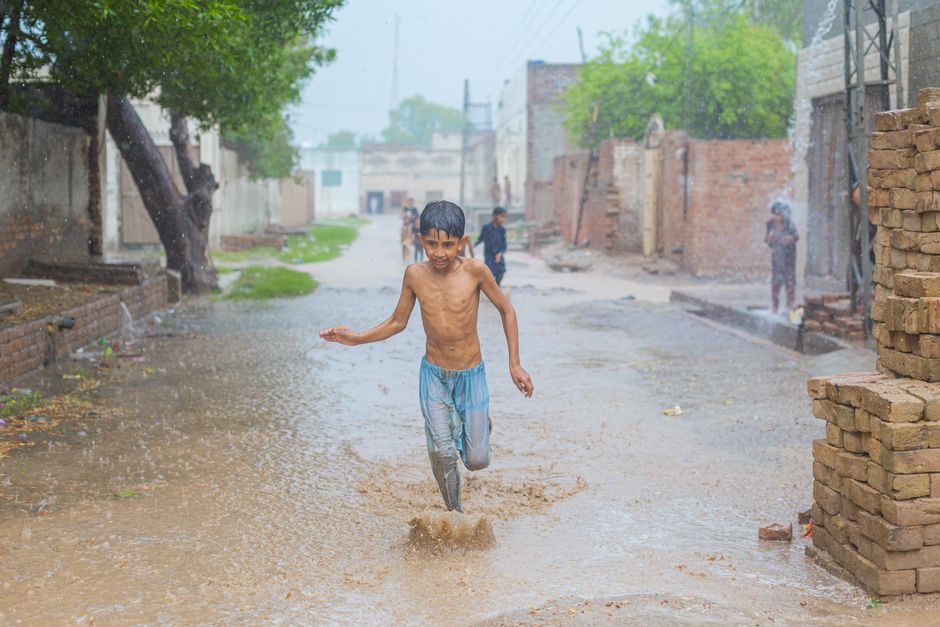
Every monsoon, Tulsipan village in Madhya Pradesh's Sehore district faces a familiar ordeal — its only link to the outside world disappears under thick, churning mud. The unpaved road that serves as the lifeline for the settlement becomes completely impassable, trapping residents and disrupting every aspect of daily life.
What passes easily during the dry months turns into a treacherous, waterlogged track once the rains arrive. Even tractor-trolleys, a common sight on rural Indian roads, find it nearly impossible to make the journey. Vehicles routinely get bogged down in the mud, leaving passengers stranded for extended periods.
The impact is felt most acutely by students. With schools located at some distance from the village, many children are forced to skip classes repeatedly whenever heavy rainfall makes travel impossible. For farming families, the consequences extend beyond education — agricultural goods and essentials cannot be transported reliably, affecting both household income and access to markets.
Health emergencies present the gravest concern. Pregnant women who require regular prenatal checkups and patients needing urgent medical attention find themselves trapped inside the village with no way out. Villagers report that ambulances have often been unable to reach Tulsipan during the rains, leaving families to improvise with whatever transport is available.
Despite raising these concerns with local authorities across multiple election cycles, no meaningful intervention has come forward. Residents say they have submitted numerous representations seeking a paved road, yet nothing has been done. Frustration has grown as promises made by politicians appear to vanish once votes are secured.
Tulsipan's plight mirrors a wider problem across rural Madhya Pradesh, where countless villages depend on single dirt tracks that vanish into mud every rainy season. Rural infrastructure development remains a persistent challenge, and for now, villagers continue to brace for another monsoon cut-off.


