The Indian monsoon, which has drenched much of the subcontinent over recent weeks, is now beginning to pull back from large swathes of the country. According to the India Meteorological Department, the retreating monsoon has started exiting western Rajasthan, marking one of the earliest signs of the seasonal shift that typically ushers in clearer skies and drier conditions across northwestern India.
However, as the southwest monsoon withdraws from the northwest, a different weather pattern is taking shape further south. The departing rains are stirring a new cycle of precipitation across peninsular India. Tamil Nadu, along with three other southern states — Karnataka, Kerala, and Andhra Pradesh — have already seen the return of significant rainfall. On Saturday, the Thene district in Tamil Nadu was pummeled by heavy showers, raising concerns among local authorities about waterlogging and landslides in vulnerable terrain.
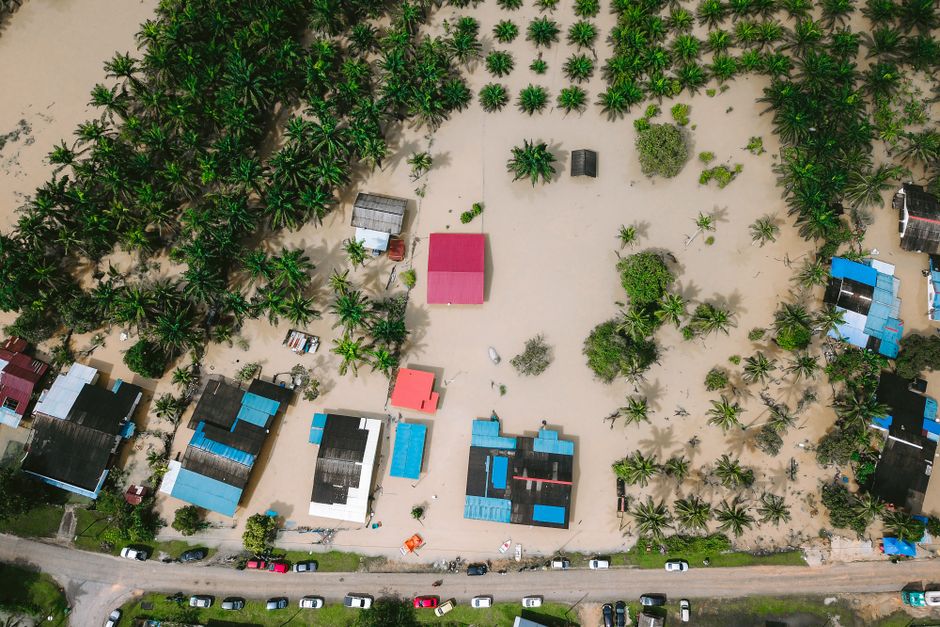
In Uttar Pradesh, the aftermath of earlier monsoon deluges continues to haunt residents. Ten villages in the Gonda district remain submerged under floodwaters, with families still trapped in homes surrounded by rising streams. Local officials report that more than twelve acres of cultivable land have been swallowed entirely by river erosion, dealing a severe blow to agricultural livelihoods already strained by unpredictable weather patterns in recent years.
Meanwhile, in the hill state of Himachal Pradesh, temperatures have dropped sharply following recent rain and snowfall. Residents in higher altitude areas are experiencing early winter chill, with morning and evening temperatures plunging and nighttime snow possible in parts of the state. Meteorologists have advised locals to take precautionary measures against the sudden cold snap.
Climate experts note that the variability in monsoon behaviour — early withdrawal in some regions, delayed reactivation in others, and intensified rainfall events — is consistent with patterns linked to changing climate dynamics across South Asia.