The Mohan Khokar Dance Collection, one of India's most extensive archives dedicated to classical and folk dance, is once again drawing attention for the sheer magnitude of its holdings — and for the questions that magnitude raises about how such a treasure can be properly preserved, studied, and shared with the public.
Mohan Khokar (1922–2004) was a trailblazing choreographer, dancer, theatre director, and archival pioneer who spent decades gathering materials that documented the living traditions of Indian dance. He founded the Dance Archive at the Sangeet Natak Akademi in New Delhi, and upon his death, his personal collection — numbering in the hundreds of thousands of items — became the cornerstone of what is now known as the Mohan Khokar Dance Collection.
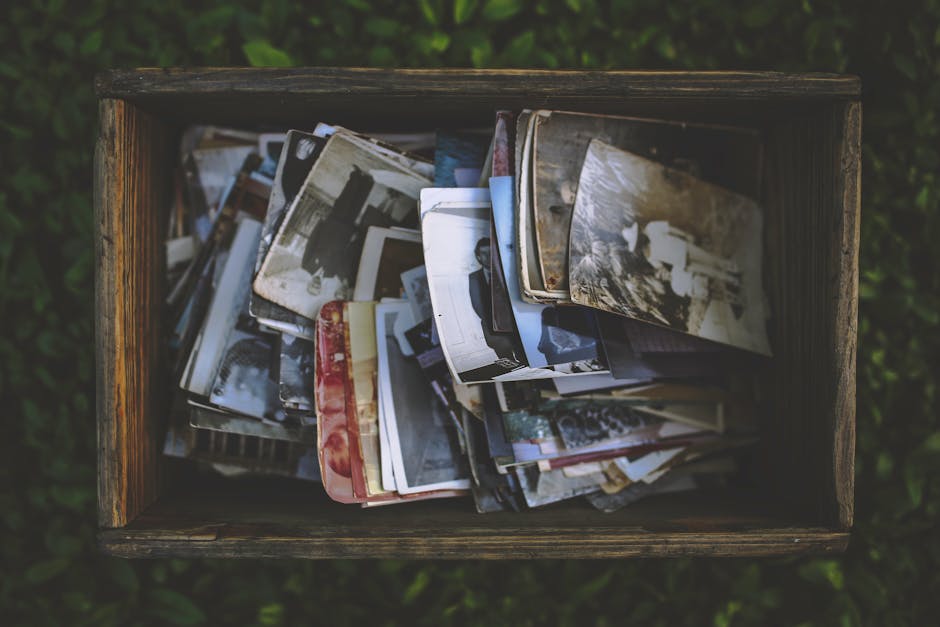
The collection encompasses manuscripts, rare photographs, film and video recordings, costumes, set designs, posters, programmes, scrapbooks, letters, and personal papers that trace the history of Indian dance from the early twentieth century through the formative years of independent India's cultural institutions. It includes material related to legendary performers such as Birju Maharaj, Uday Shankar, Ram Gopal, and many others whose contributions shaped the modern dance landscape.
Curators and researchers who have worked with the collection describe it as simultaneously exhilarating and exhausting. The volume of material is so large that systematic cataloguing remains an ongoing, unfinished project. Many items are stored in conditions that archivists say need urgent upgrading, and digitisation efforts, though underway, have yet to make more than a fraction of the holdings readily available online.
The recent display of selected pieces from the collection has reignited discussion about the balance between preservation and accessibility. While the exhibition allows the public to glimpse the depth and diversity of Khokar's life work, it also highlights the gaps — folders unopened, reels unreelable, stories untold. Scholars have called for greater institutional support, dedicated funding, and collaboration with academic institutions to ensure the archive does not remain a closed book.
For now, the collection stands as both a monument to Khokar's vision and a challenge to the cultural establishment: how to honour a legacy by making it truly alive for future generations.


