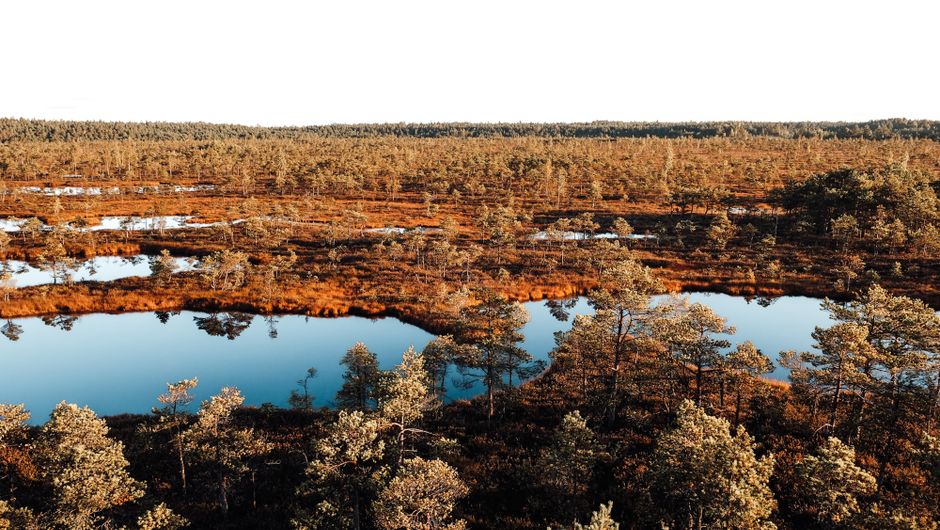
A major new climate initiative is taking root in the coastal plains of North Carolina, where tech giant Microsoft is backing a sweeping effort to restore degraded peatland ecosystems before they dry out and release centuries of stored carbon back into the atmosphere.
The project, led by Pantheon Regeneration, targets approximately 23 square miles of peatland in the state's eastern region. The company plans to reverse years — in some cases, decades — of drainage and degradation by rewetting the land, effectively turning it back into the functioning wetland it was before agricultural and commercial development altered its hydrology.
Peatlands are among the most carbon-dense ecosystems on Earth. Though they cover only a small fraction of the planet's land surface, scientists estimate they store roughly twice as much carbon as all of the world's forests combined. When these lands are drained for farming, timber, or development, the exposed organic soil oxidizes, releasing vast quantities of carbon dioxide and other greenhouse gases. In worst-case scenarios, dried peat can become highly flammable, leading to persistent smoldering fires that are extremely difficult to extinguish and release enormous volumes of carbon in a single event.
Under the arrangement with Microsoft, Pantheon Regeneration will restore the hydrology of the targeted peatlands and then generate verifiable carbon credits from the carbon that remains sequestered — and increasingly so as the ecosystem recovers. Microsoft intends to purchase a portion of those credits as part of its broader commitment to become carbon-negative, a goal the company announced several years ago and has been working toward through a combination of emissions reductions and high-quality carbon removal purchases.
Carbon credits have come under intense scrutiny in recent years, with critics arguing that many offset programs inflate their claims or fail to demonstrate real, additional emissions reductions. Pantheon's project is drawing attention because peatland restoration is considered by many climate scientists to be one of the more reliable and measurable forms of carbon removal — the carbon is already in the ground, and rewetting simply prevents it from escaping rather than attempting to pull it out of the air through costly technological means.
North Carolina's peatlands, often found in the coastal plain's poorly drained basins and savanna ecosystems, have been significantly reduced from their historical extent. Large portions were converted to pine plantations, agriculture, or urban development starting in the early twentieth century. The remaining patches are now recognized as critical habitats for numerous species and as important buffers against flooding and storm surge in a state already vulnerable to rising sea levels and intensifying hurricanes.
Environmental groups have generally welcomed the Microsoft investment, noting that corporate funding of nature-based climate solutions can fill a gap left by insufficient government investment. At the same time, advocates caution that carbon credit markets must be held to rigorous standards to avoid becoming a loophole that allows continued fossil fuel use under the guise of offsets.
The outcome of the North Carolina project could serve as a model for similar peatland restoration efforts across the southeastern United States and beyond, where millions of acres of degraded peat soils remain at risk of further degradation and carbon release.