Former West Bengal chief minister Mamata Banerjee on Friday strongly rebuked the Election Commission of India's recent order that froze the Trinamool Congress party's name and election symbol, calling the directive outright illegal. She declared she would not yield to the commission's decision and promised to continue her legal and political battle until the order is overturned.
The controversy centres on a significant internal rupture within the Trinamool Congress, which has seen a faction of senior leaders break away and align themselves with the BJP-led national alliance. The Election Commission, in an effort to resolve the dispute over which group holds the legitimate claim to the party name and symbol, issued an order effectively suspending the TMC's existing registration credentials pending further proceedings.
Speaking at a press interaction, Mamata Banerjee refused to accept the EC's stance, asserting that she and her loyalists remain the rightful representatives of the Trinamool Congress. She described the move as an attempt to weaken her political standing and vowed to challenge the order through all available constitutional means.
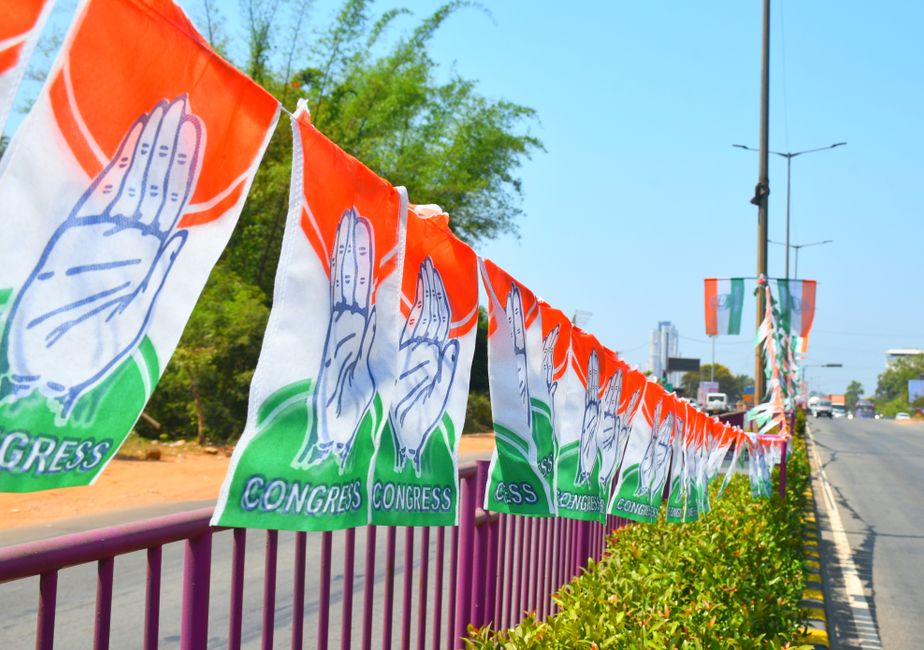
In a separate but politically significant development, Banerjee announced her support for the Indian National Congress candidate contesting the Nandigram bypoll in Purba Medinipur district. Nandigram has been a flashpoint in West Bengal politics for years, most notoriously linked to the land acquisition protests that shook the state over a decade ago. The bypoll has drawn intense attention from all major parties, and Mamata's public endorsement of the Congress contender signals a tactical alignment against the BJP in the region.
Political analysts note that the Nandigram episode reflects the broader realignment taking place in West Bengal, where the Trinamool Congress is grappling with internal defections while simultaneously trying to contain the BJP's growing influence in the state.
Legal experts suggest that Mamata's appeal against the EC order could take weeks or even months to reach a final disposition, potentially through the courts if the commission does not revise its decision.