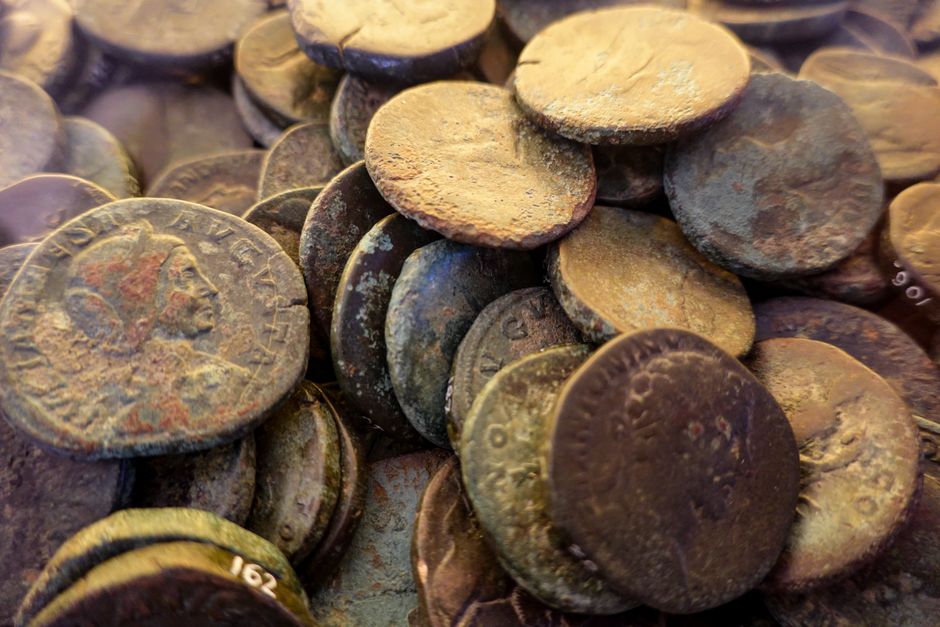
A metal-detector enthusiast has made an extraordinary archaeological discovery in central Finland, unearthing what officials are calling the nation's most significant cache of late Iron Age silver coins. The find was made on September 3 near the village of Sysmä church, located in the region historically associated with Lahti.
Kalle Lappinen, the hobbyist treasure hunter behind the discovery, initially dismissed his first detector reading as likely being just buried iron ore. However, returning to the spot revealed something far more valuable — coins hidden beneath layers of stone and soil.
The hoard was packed into two birch-bark containers and buried roughly 45 centimetres below ground level, nestled among stones. Lahti Museums has characterized the find as the largest late-Iron-Age coin hoard known from Finland, making it a nationally significant archaeological event.
As of now, the coins remain untouched. They have not been cleaned, separated, or counted. Officials emphasize that exact figures regarding weight, total number of coins, and a precise historical dating can only come after careful conservation work and expert analysis begins.
Ten days after the initial announcement, the museum issued a follow-up statement cautioning against loose use of the term "Viking" when describing the hoard. While the find is widely associated with the Viking Age broadly, researchers are urging precision in how the period is referenced, noting that detailed study will be needed to assign more specific chronological placement.
Archaeologists say the discovery provides valuable insights into trade networks, monetary circulation, and burial practices across northern Europe during the late Iron Age. Birch-bark packaging indicates the coins were carefully concealed, suggesting the owner may have been hiding their wealth during times of turmoil or uncertainty.
The hoard will undergo professional conservation before a full count and analysis can proceed, which could take months given the delicate nature of medieval silver objects.