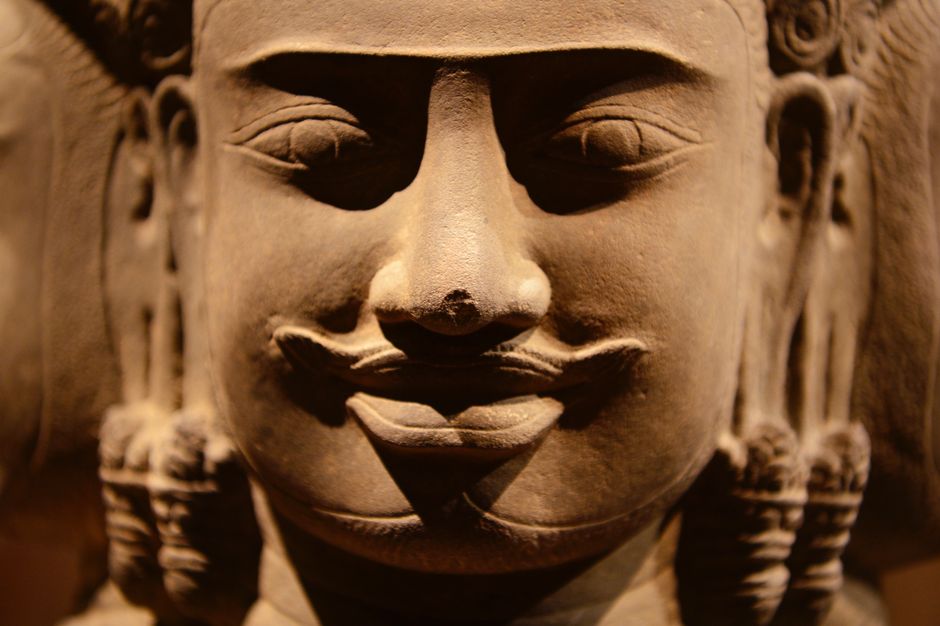
An individual linked to the illegal trafficking of sacred idols from India to Germany is set to be deported back to Berlin after completing a prison sentence in India. The person, whose notoriety stems from a long-running ring accused of removing ancient Hindu and Buddhist artifacts from temples and private collections across several Indian states, was brought to India approximately fourteen years ago following an investigation that revealed a cross-border smuggling network. At that time, the case drew significant attention because it exposed how organized groups exploited loopholes in export regulations and worked with foreign buyers—primarily in European countries—to move culturally sensitive artifacts out of the country.
German authorities played a key role in the initial probe, sharing intelligence with Indian investigators that helped establish the chain of custody for numerous looted pieces. Over the years, the case was closely monitored by both nations' law enforcement agencies, with periodic updates on the status of recovered idols and the ongoing legal proceedings. Indian officials have repeatedly stressed that the trafficking of antiques and art treasures is a serious offense under India's Antiquities and Art Treasures Act of 1972, which imposes strict controls on the movement of items older than one hundred years.
The conviction and subsequent deportation come at a time when India is intensifying its efforts to track down and repatriate culturally significant objects that have ended up in foreign collections, museums, and private hands. Government agencies and civil society groups have called for stronger international cooperation to prevent the further erosion of India's archaeological and religious heritage. The latest development is seen by experts as a signal that the legal machinery is functioning effectively—even in cases that stretch back over a decade—and that individuals involved in the illicit trade should expect consequences regardless of how much time passes or how far they may have traveled.
The repatriation process typically involves coordination between India's Ministry of Culture, the Archaeological Survey of India, and foreign law enforcement partners. Officials say that cases like this reinforce the importance of maintaining robust records of India's cultural assets and pursuing every available legal avenue to recover them. The deported individual is expected to face further judicial proceedings in Germany, where additional charges related to the possession and sale of illegally exported artifacts remain pending.


