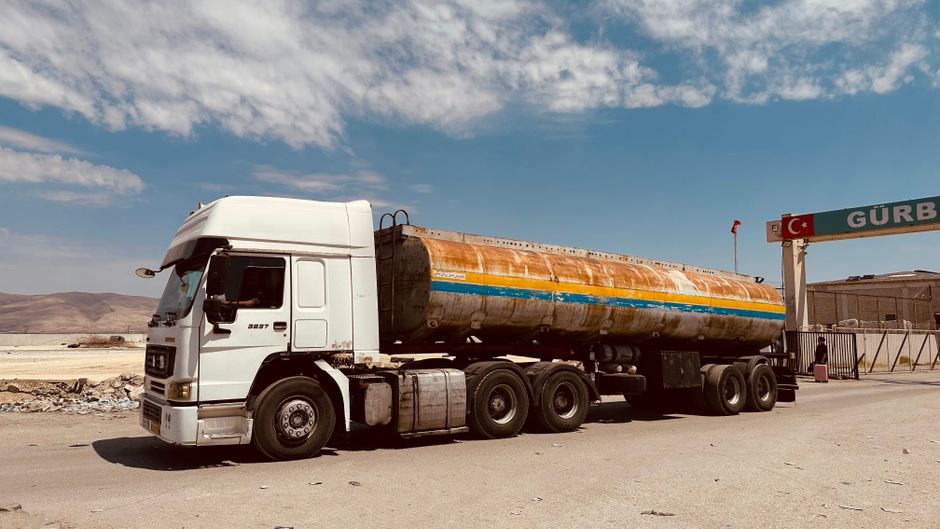
Libya's southern border regions faced a major disruption this week after the Fezzan Revolutionary Force, a locally powerful militia group operating in the Fezzan area of southwestern Libya, announced the immediate closure of all border crossings to commercial truck movement and freight transport. The announcement was made late yesterday and took effect immediately, with no timeline given for when normal trade flow would resume.
The Fezzan Revolutionary Force controls several key crossing points along Libya's southern frontier, which serves as a critical corridor for goods moving between Libya and countries in sub-Saharan Africa, including Chad, Niger, Sudan, and Tunisia's southern areas. The halt in commercial traffic is expected to have significant ripple effects across regional supply chains.
Border crossings in the Fezzan region have historically been vital lifelines for both legal trade and, unfortunately, smuggling operations. The area has long been a transit zone for migrants attempting to reach Europe, and the closure could further complicate an already volatile migration situation. Humanitarian agencies have warned that any disruption to these routes can also affect the movement of aid supplies into neighboring countries that depend on Libyan-bound or Libyan-origin shipments.
The militia cited unspecified security reasons for the closure but did not elaborate further in its initial statement. Analysts say the move may reflect internal power dynamics within the fractured Libyan landscape, where multiple armed groups compete for control of border checkpoints and the revenue they generate. The Fezzan region has historically enjoyed a degree of autonomy from the rival governments based in Tripoli and eastern Libya, and local militias have periodically used border control as leverage in wider political negotiations.
No official confirmation or reaction has yet come from Libya's internationally recognized government in Tripoli regarding the shutdown. Neighboring countries along the southern border are reportedly assessing the impact, and traders who rely on these routes are already facing uncertainty over delayed shipments and stranded cargo.


