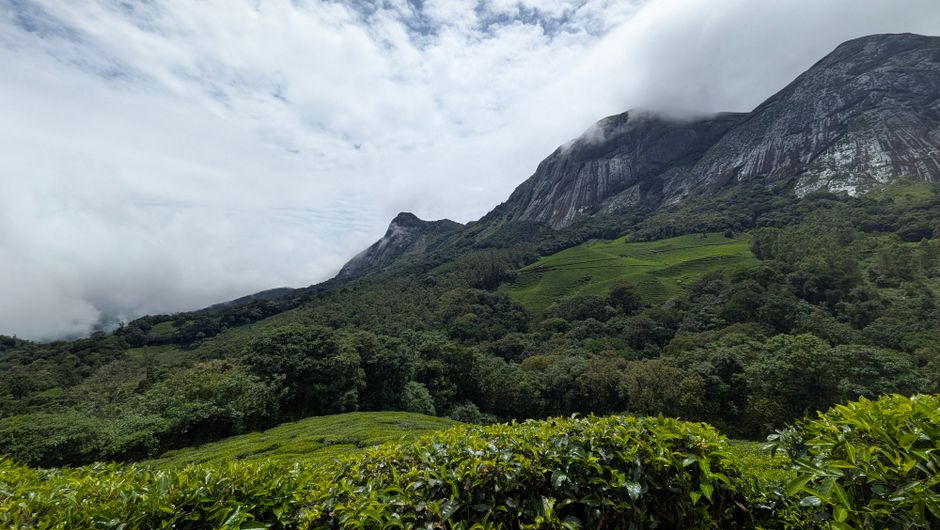
Residents of the high-range areas in Kottayam district of Kerala have launched a widespread mobilisation against the Central government's seventh draft notification proposing the declaration of Ecologically Sensitive Areas (ESA) in the Western Ghats. The protest movement, led by local farmer organisations, youth groups, and women's self-help collectives, argues that the proposed notification threatens their livelihoods and traditional ways of life.
The draft notification, if finalised, would bring vast tracts of the high-range regions under stringent ecological regulations. These restrictions would cover activities ranging from cultivation and horticulture to construction and minor infrastructure development — areas that form the backbone of the local economy in places like Vagamon, Peerumedu, and Chittar.
An estimated 70,000 people across several panchayats in Kottayam's high ranges are likely to be directly affected by the proposed classification. The opposition is not new — similar protests erupted during previous draft notifications in 2014 and subsequent revisions — but locals say this round feels particularly concerning because of the expanded geographic scope and stricter regulatory language.
Farmer associations have expressed alarm that restrictions on plantation crops like cardamom, rubber, and coffee could cripple the agrarian economy. Small businesses, including hotels and transport operators dependent on tourism, fear that the ESA tag will deter investment and limit growth opportunities. Several panchayat bodies have passed resolutions opposing the notification, and a joint complaint has been submitted to the Ministry of Environment, Forest and Climate Change seeking a review.
Environmentalists note that the Western Ghats, a UNESCO World Heritage Site, face increasing pressures from mining, large-scale infrastructure projects, and deforestation. They argue that some regulation is necessary to protect watersheds and biodiversity. However, high-range residents counter that the blanket approach ignores centuries-old sustainable practices and penalises communities rather than industrial polluters.
The Kerala government has yet to issue a formal stance, though sources indicate officials are monitoring the situation closely. The public consultation period for the draft notification remains open, and further demonstrations are expected if community concerns are not adequately addressed before the final notification is issued.