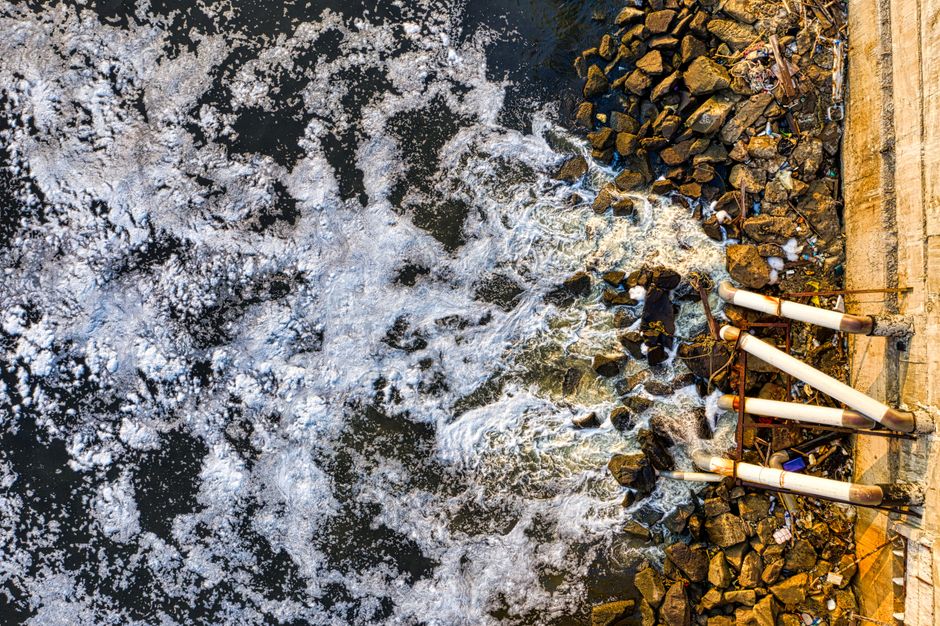
A significant environmental concern has emerged from Kerala as an investigation revealed that over 720 illegal outlets are discharging untreated sewage directly into natural water bodies across four districts in the state.
The findings came to light through a detailed survey conducted by environmental authorities, which identified 39 public drains that serve as conduits for raw, untreated wastewater flowing straight into nearby streams, lakes, and other water bodies. These illicit connections have been operating for considerable periods, raising serious questions about infrastructure planning and enforcement of environmental regulations in the region.
Officials stated that the uncovered outlets are primarily found in densely populated areas where sewage treatment infrastructure has either not kept pace with urban expansion or has failed to intercept illegal tie-ins from residential and commercial establishments. The untreated discharge is contributing to the deterioration of water quality in nearby water bodies, affecting both aquatic ecosystems and communities dependent on these resources.
Environmental experts warn that the continuous release of raw sewage into natural waterways is leading to elevated levels of bacterial contamination and nutrient pollution, which can trigger harmful algal blooms and deplete oxygen levels in the water, devastating fish populations and other marine life.
The discovery has prompted calls for immediate action from environmental groups and local residents, who have expressed frustration over the lack of proactive monitoring and enforcement. Authorities are now expected to take steps to seal off these illegal connections and ensure that all wastewater is routed through proper treatment facilities before being released into the environment.
Residents living near the affected water bodies have reported foul odours and visible pollution, with some noting changes in the colour and clarity of the water over recent years. Community groups have been urging the state government to invest in expanded sewage treatment capacity and stricter penalties for violations.
The incident has reignited debates about Kerala's urban sanitation infrastructure and whether the state is doing enough to protect its extensive network of backwaters, rivers, and lakes from growing pollution threats.