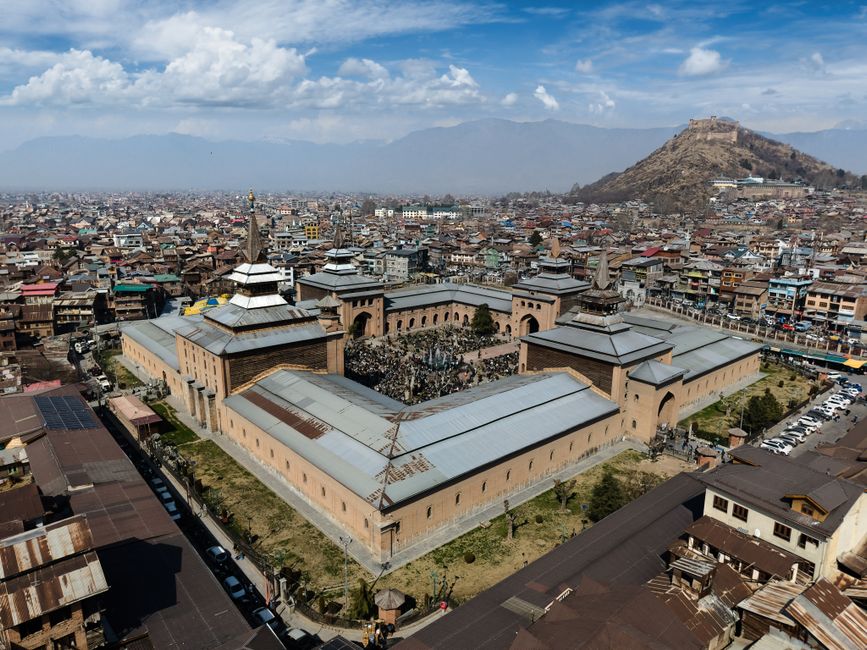
Mosques across the Kashmir Valley are increasingly serving as community hubs where imams and religious leaders are tackling some of the region's most urgent non-religious challenges. In a notable shift from purely spiritual guidance, several mosques have begun organizing programs addressing drug addiction, mental health crises including suicide prevention, and environmental degradation affecting local communities.
This movement has gained momentum over the past two years as traditional support systems eroded under compounded economic hardship and prolonged unrest. Religious scholars argue that addressing these grassroots issues aligns with Islamic principles of community welfare and social responsibility.
Local imams have reported a growing awareness among congregants about mental health, with some mosques now hosting awareness sessions on depression and suicide prevention alongside regular prayer services. Community members say these initiatives reflect a pragmatic adaptation to circumstances where state resources reach only limited areas of the Valley.
Environmental concerns have also found refuge on mosque agendas. Leaders have organized tree-planting drives, clean-up campaigns along water bodies, and educational sessions about sustainable practices — framing ecological stewardship as a religious duty alongside its civic importance.
Critics note the scope of the challenge remains enormous relative to the resources available at individual mosque levels. Others praise the initiative as an organic response filling gaps that bureaucratic structures have failed to address consistently.
Observers say the trend could signal a broader evolution in how religious institutions engage with modern governance questions, particularly in regions where institutional trust runs thin.


