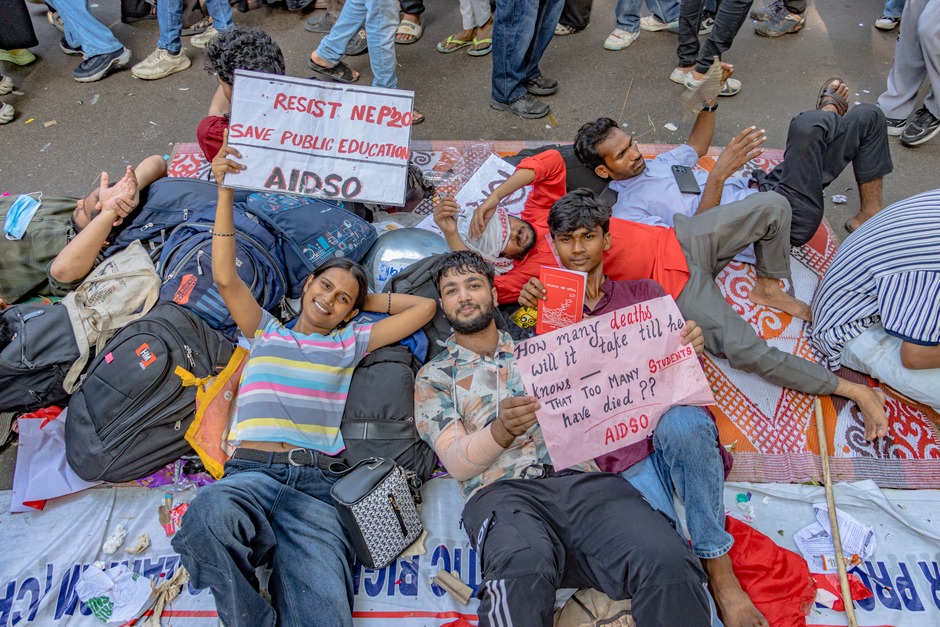
Students across Jharkhand have launched a sustained hunger strike in the state capital, demanding the resignation of Chief Minister Hemant Soren on grounds of his purported unfitness to hold office. The protest, organised by a coalition of student bodies, saw hundreds gathering in Ranchi to voice their grievances against the ruling party leadership.
The demonstrations unfolded at key locations in Ranchi, where student activists sat in dharna form and refused to break their fast until their demands were met. Several student union leaders addressed the gathering, asserting that the CM has lost the capacity to govern effectively and must vacate his post immediately.
While the exact basis for the 'unfitness' allegations has not been independently verified through official medical reports, the student protesters have insisted that the current administration has failed to deliver on critical governance priorities. They cited concerns over deteriorating law and order, inadequate educational infrastructure, and a lack of accountability in public institutions as evidence of systemic failure under the Soren government.
The agitation has drawn attention from political observers who note that student movements have historically played a significant role in shaping Jharkhand's political landscape. The state, carved out of Bihar in 2000, has seen recurring waves of youth-led protests over issues ranging from employment reservations to resource rights.
As of now, no formal response has been issued by the Chief Minister's office regarding the students' demands. Law enforcement agencies have been deployed to monitor the situation, and authorities have urged the student groups to disperse peacefully. Whether the protest gains wider momentum or fizzles out remains to be seen, but it signals rising discontent among younger sections of Jharkhand's population.