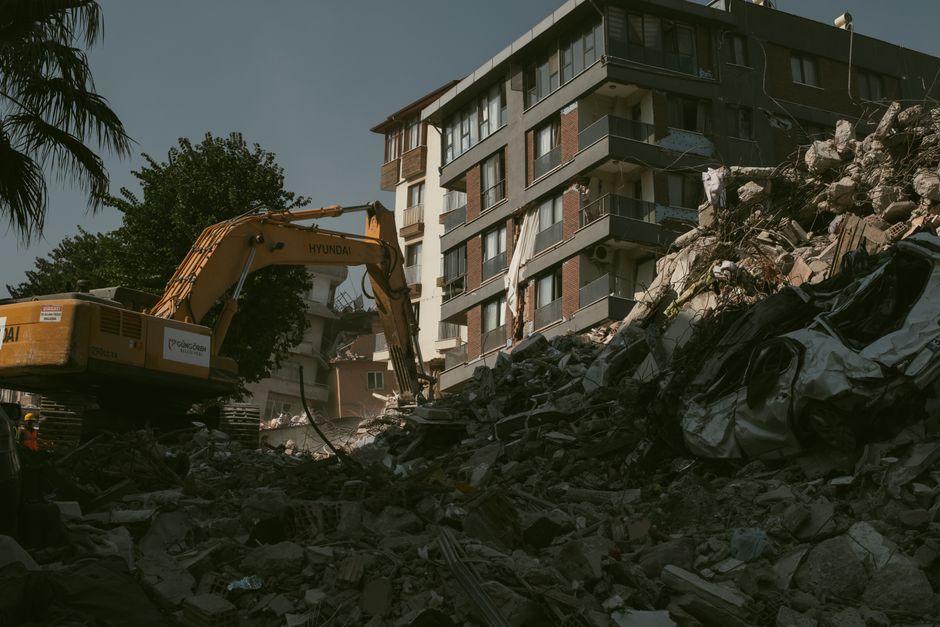
A building collapse in the Indian capital has triggered a major investigation after authorities discovered that illegal modifications appear to have weakened the structure beyond its breaking point. The incident occurred during renovation work that had been underway inside the building for more than a week before it suddenly came down.
According to initial findings by rescue and reconstruction teams, debris from the interior work had been dumped into the basement area, adding unexpected weight to floors not designed to carry such loads. At the same time, workers had removed what is believed to be load-bearing walls — structural supports essential to holding the building upright. Engineers say the combination of these two actions likely compromised the entire framework, leading to the catastrophic failure.
Dozens of people were trapped inside when the collapse happened. Rescue operations involving the Delhi Fire Service, civil defence forces, and local volunteers worked through the night to dig through the rubble. Several survivors were pulled out alive and rushed to nearby hospitals, though officials warn the death toll could still rise as searches continue.
Delhi's municipal corporation, which oversees building permits and compliance, has begun a detailed probe into the building's approval records. Questions are mounting over whether the renovation work was legally sanctioned and whether structural engineers signed off on the planned changes. Authorities have also started scrutinizing the contractors and owners involved.
Building collapses remain one of the most persistent dangers in India's urban areas. Despite strict laws on paper, enforcement is frequently weak, and builders often make unauthorised changes to gain extra floor space or accommodate structural alterations without proper engineering input. This case has renewed calls for stricter monitoring of renovation and construction activity across the national capital.


