The southwest monsoon has begun its seasonal withdrawal from large parts of northern and northwestern India, but the departure brings mixed fortunes — while clearing skies signal relief from months of heavy rains in some regions, vast stretches of the country remain gripped by a significant rainfall deficit that threatens agriculture and water security.
The India Meteorological Department reported that the retreating monsoon, typically triggered by the sun's southward shift after the winter solstice, has started moving out across Punjab, Haryana, Rajasthan, and adjoining areas of Uttar Pradesh. However, the IMD also flagged that about 43 per cent of India's total geographical area continues to experience rainfall below the long-period average for the monsoon season.
Meteorologists explained that the monsoon retreat phase often brings bursts of rainfall to southern and eastern peninsular regions, particularly Tamil Nadu, Kerala, Andhra Pradesh, and parts of Odisha and West Bengal, due to the northeast monsoon system picking up moisture from the Bay of Bengal. This contrast between withdrawing rains in the north and renewed showers in the southeast is a hallmark of India's dual-monsoon character.
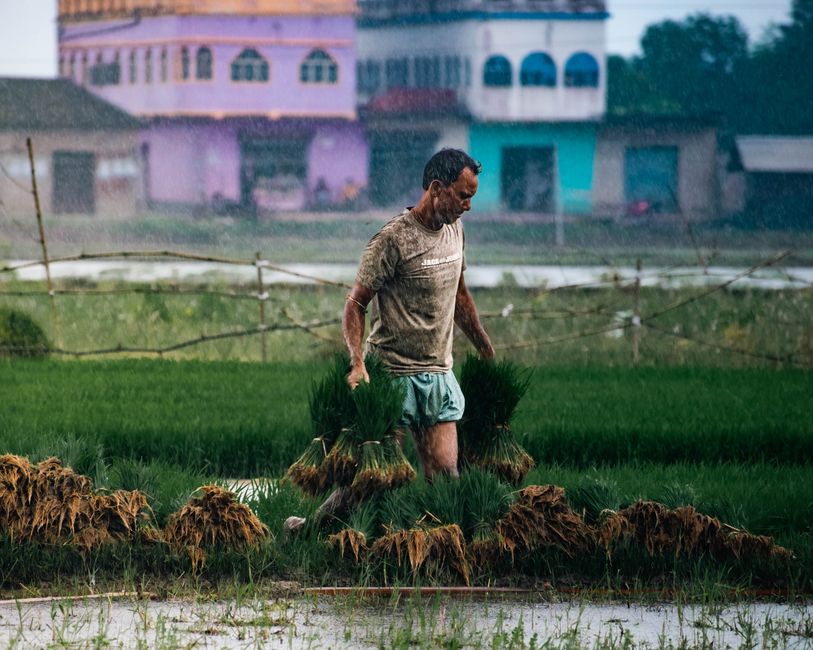
Agricultural experts warned that the persistent deficit in key farming belts — especially in Rajasthan, Gujarat, Madhya Pradesh, and parts of Maharashtra — could result in substantial losses to kharif crops such as soybean, cotton, pulses, and oilseeds. Many farmer communities in these deficit zones had already been dependent on scattered and irregular rainfall throughout June through September, leaving sowing and crop development stages compromised.
Water reservoir systems across several central and western states are now facing stress. Officials noted that multiple dams in Maharashtra and Karnataka have recorded storage levels significantly below last year's figures at the same point in the seasonal cycle. The deficit also compounds the impact of earlier heat waves that many regions experienced before the monsoon arrived.
The all-India rainfall deficiency during the monsoon period has been estimated at roughly 8 per cent by the IMD, well above the 5 per cent threshold that triggers drought-watch alerts. The department has urged state governments to accelerate supplementary irrigation measures, distribute drought-tolerant seed varieties for summer cropping, and implement rainwater harvesting to recharge groundwater tables before the dry winter months.
Climate scientists pointed out that increasing variability in monsoon distribution — rather than outright rainfall reduction — has become a defining feature of recent decades. Even years when India's total monsoon rainfall is near normal, large pockets can suffer severe deficits while other regions endure floods, making regional preparedness critical.