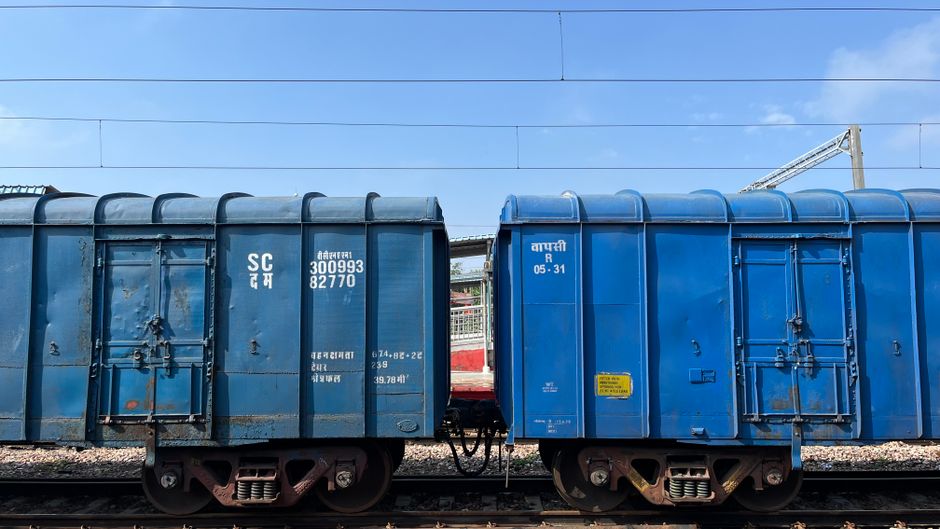
New Delhi: The Indian Railways announced on Tuesday that it has approved a series of infrastructure and safety improvement projects totaling Rs 736 crore across four states in the country. The projects, which received final clearance from the Railway Board, are expected to significantly enhance operational safety and modernize track and signaling systems along busy railway corridors.
While specific details of each project remain under review by Railway Ministry officials, sources indicate that the approved schemes include track duplication work, bridge replacements, level crossing elimination, and installation of advanced signaling equipment. These initiatives fall under the broader national push to reduce rail accidents and improve travel reliability on congested routes.
The four states benefitting from these approvals were not explicitly named in the initial announcement, but Railway Ministry sources suggested the projects span regions with historically higher incidents of rail mishaps due to aging infrastructure and crowded crossings. Experts note that such upgrades are critical in areas where single-track sections still force trains to wait for long durations, increasing the risk of delays and operational errors.
Indian Railways has been actively pursuing a multi-year modernization drive under its five-year capital expenditure plan, which prioritizes safety through technology upgradation, track renewal, and replacement of obsolete signaling systems with electronic interlocking and automatic fare collection networks. The current wave of project approvals aligns with the government's commitment to making rail travel one of the safest modes of transportation in the world.
Industry analysts pointed out that the Rs 736 crore outlay represents a focused intervention rather than a blanket spending program. Each approved project has undergone technical scrutiny and financial evaluation before receiving the green signal, ensuring that funds are directed toward areas with the highest safety returns. The completion timeline for most of these projects is expected to span the next two to three years, with progress being monitored quarterly by the Railway Board.