India on Wednesday categorically rejected the Pakistan-China boundary commission that was formally inaugurated in Islamabad, describing the body as lacking any legal foundation and warning Islamabad against attempting to bargain over Indian territory.
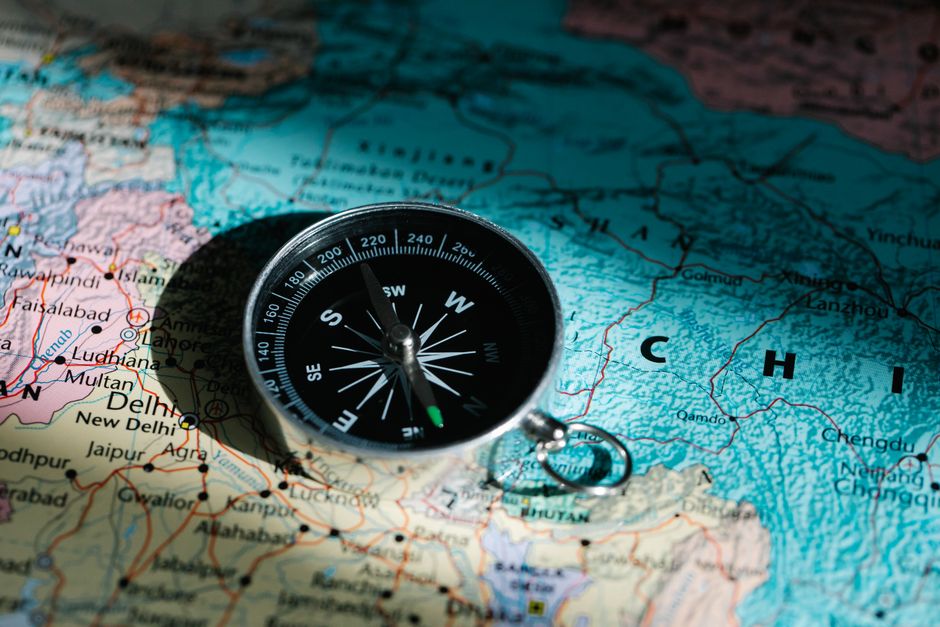
The Ministry of External Affairs (MEA) issued a statement following the inauguration of the commission, making it clear that New Delhi would not recognize any outcomes emerging from the bilateral exercise. The commission's mandate involves demarcating and delimiting the remaining undefined stretches of the Pakistan-China border, including sections running through the Siachen Glacier region and areas near the Shaksgam Valley — all of which pass through territories that India administers and considers an inseparable part of its sovereignty.
According to senior diplomatic sources, the Indian position rests on two foundational arguments. First, India maintains that no legally recognized international border exists between Pakistan and China because the entire area in question falls under Indian sovereignty. Second, India argues that the 1963 Sino-Pakistan Agreement, which originally outlined the boundary framework, is null and void to the extent it涉及 Indian territory, since Pakistan had no legitimate authority to cede land belonging to another sovereign state.
The MEA statement further emphasized that Pakistan cannot claim any right to participate in or influence agreements concerning areas that it illegally occupies, referring specifically to the parts of Jammu and Kashmir and Ladakh under Pakistani control since 1947. New Delhi reiterated its demand that Pakistan withdraw from these illegally occupied areas and abide by the territorial integrity of India as acknowledged under international law and United Nations resolutions.
Diplomatic analysts note that India's firm stance comes at a time when Pakistan and China have been deepening strategic cooperation, including through the China-Pakistan Economic Corridor (CPEC), which passes through Pakistan-occupied Kashmir. The rejection of the boundary commission signals that New Delhi will continue to contest any infrastructure or bilateral agreements that traverse what it considers Indian soil.
The issue gained renewed prominence after India reorganized the state of Jammu and Kashmir into two union territories — Jammu and Kashmir, and Ladakh — in August 2019, a move that was followed by a corresponding amendment to the Jammu and Kashmir Reorganisation Act confirming the integrity of both regions within the Indian Union.