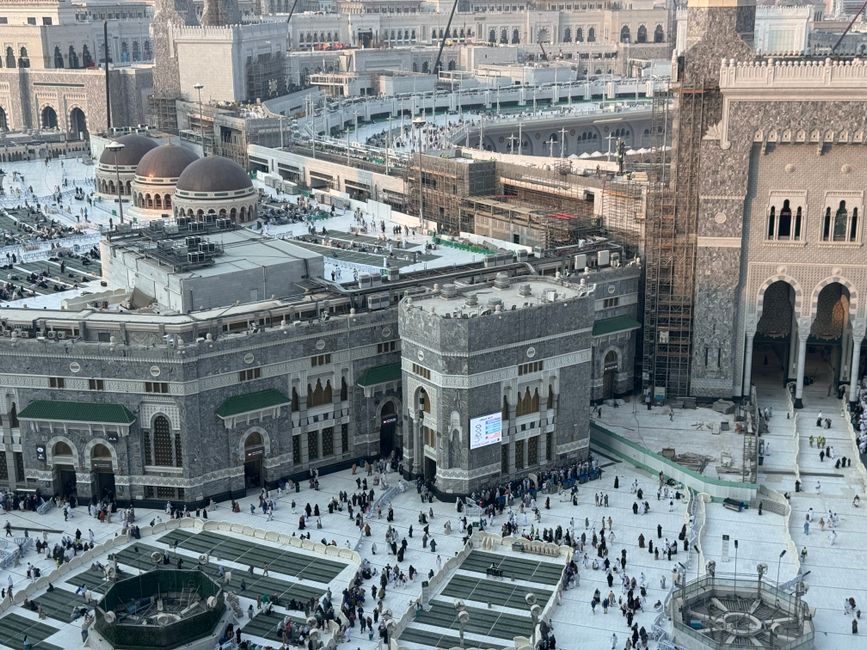
India has strongly expressed concern following the interception of a drone targeting the holy city of Mecca in Saudi Arabia. The incident, which occurred on September 15, saw Saudi Arabian air defenses successfully shoot down the unmanned aerial vehicle before it could reach populated areas. This marks a disturbing escalation in the pattern of attacks carried out by Yemen's Houthi rebels against civilian targets in Saudi Arabia.
A statement released by the Saudi Foreign Ministry confirmed that the intercepted drone was the second direct attempt by the Houthi movement to attack Mecca. The first such incident took place in July 2017, when the Houthis launched a ballistic missile toward the holy city, resulting in seven deaths and more than fifty injuries. That earlier attack drew widespread international condemnation and highlighted the vulnerability of even the most heavily defended sites in the region.
Turki al-Malki, spokesperson for the Saudi Foreign Ministry, provided official details about the September incident, describing it as yet another reckless act by the Houthi militia aimed at terrorizing civilians and disrupting religious activities. He reaffirmed Saudi Arabia's commitment to protecting its cities and holy sites against all forms of aggression.
The news triggered deep concern in New Delhi, where thousands of Indian pilgrims travel annually to perform Umrah and Hajj in Saudi Arabia. The Indian government has consistently emphasized the safety and security of its citizens residing or visiting the Kingdom. While no Indian casualties were reported in connection with this particular intercept, officials view the escalating threats against Mecca with grave seriousness.
The Houthi movement, backed by Iran, has been engaged in a protracted conflict with Saudi Arabia since 2015, when Riyadh led a military coalition to restore Yemen's internationally recognized government. Over the years, the Houthis have repeatedly targeted Saudi infrastructure, including oil facilities and urban centers, using drones and missiles. The September drone attempt on Mecca signals a troubling shift in targeting strategy, moving from industrial and military installations toward deeply symbolic religious sites.