Samarkand, Uzbekistan — India returns to the global chess stage in 2026 with a singular and ambitious objective: to repeat the extraordinary double-gold triumph it delivered at the 2024 Chess Olympiad in Budapest. Having become the first nation in Olympiad history to win gold in both the open and women's sections in the same edition, India carries not just the weight of expectation but the momentum of a transformative moment in its chessing annals.
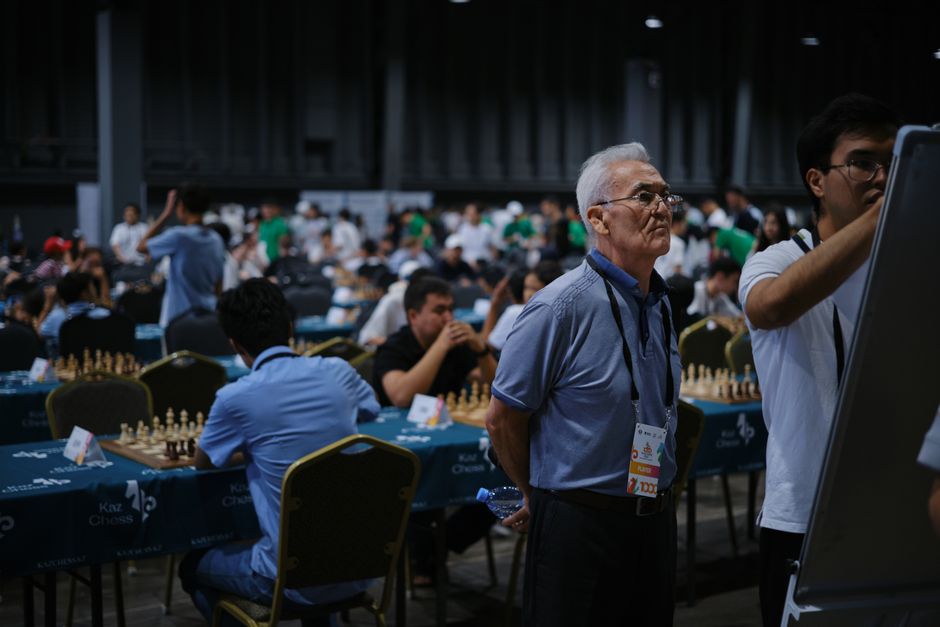
The 46th Chess Olympiad, organized by the International Chess Federation (FIDE), is set to be held in the historic city of Samarkand, a jewel of the ancient Silk Road. The tournament brings together national teams from across the globe competing over 11 rounds in a Swiss-system format, with the open section and women's section running concurrently.
In the open section, India enters as one of four clear title contenders in what analysts are calling a tightly contested race. Alongside India, the United States, China, and Uzbekistan — the host nation — are widely expected to be the teams hardest to catch. The American squad boasts a formidable roster anchored by world-class grandmasters, while China has invested heavily in chess development in recent years. Host nation Uzbekistan gains the advantage of home support and familiarity with conditions, something that has historically boosted local performances at major sporting events in Central Asia.
India's open team is loaded with star power. The lineup features multiple players rated above 2750, including former World Championship challenger and Indian number one Praggnanandhaa Rameshbabu, who has been in outstanding form in classical and rapid formats over the past year. He is joined by D Gukesh, currently among the world's top five players, and other top-order players such as Pentala Harikrishna and Arjun Erigaisi, who provide formidable depth across all four boards. The strength of India's bench — with several grandmasters capable of stepping in at any board — has been cited by coaches as a decisive factor heading into Samarkand.
In the women's section, India enters as the overwhelming favorite. The defending champions boast an exceptional roster with World Championship challenger Koneru Humpy, the experienced Humpedza, rising star Vaishali Ramesh Babu, and the dynamic Vantika Agrawal. The depth in the women's team, with reserves equally rated in the 2500-plus range, gives captain and senior coach a flexibility that few other nations can match.
The road to Samarkand has been paved with successful team events. India's dominance was on full display at the 2024 Budapest Olympiad, where the open team went unbeaten across all eleven rounds, scoring a remarkable 21 out of 22 possible match points. The women's team matched that achievement with an identical 21-1 record, cementing India's status as the dominant chessing force in the world.
FIDE has confirmed that the 2026 Olympiad will feature the standard 11-round Swiss format, with each team comprising four main players and one reserve. Clock controls follow the FIDE-standard rapid format used since recent editions, ensuring that preparation for time management remains a critical component of strategy.
The All India Chess Federation (AICF) has announced that the national contingent will depart for Samarkand in late June 2026, with additional training camps scheduled in Delhi and Bangalore in the weeks leading up to the event. Sports Minister of India has publicly endorsed the team's campaign, describing the 2024 double gold as "a defining moment for Indian sport" and vowing continued institutional support.
For Indian chess, the stakes in Samarkand extend beyond medals. A successful defense would consolidate India's emergence as the new chessing superpower, building on a wave of talent that has included multiple world championship matches,rapid-format titles, and a steady stream of grandmaster titles awarded each year. The 2026 Olympiad is seen as the next major milestone in that trajectory.